


Brief working skeleton
Open with the direct answer: yes, peonies can be bought outside spring, but they need more planning. Then cover normal season timing, off-season sourcing, price shifts, winter buying, florist questions, care tips, smart substitutes, event planning, color limits, and a clear final verdict for professional buyers.
Can You Buy Peonies Outside of Spring?
Yes, you can buy peonies outside of spring. But here’s the thing: outside their main run, peonies stop acting like an easy flower and start acting like a project.
In spring, they feel almost casual. They appear at flower shops, farmers’ markets, grocery buckets, and wedding mood boards as if everyone agreed to wear the same perfume for six weeks. Outside spring, they become more like a limited calendar slot. You can still get them, but you need lead time, a real florist, and a bit of flexibility around price, color, stem count, and bloom size.
For a professional buyer, that matters. A lobby arrangement, a client gift, a product launch, or an executive dinner can’t run on “I hope the flowers show up.” Flowers may look soft, but the supply chain is not soft at all. It’s freight, cold rooms, crop timing, customs, weather, and a florist with a phone full of grower contacts.
So the short answer is yes. The useful answer is yes, with terms.
Peonies have a season, and they’re not shy about it
Peonies are famous because they don’t hang around forever. The Royal Horticultural Society describes peony flowering as brief and tied to late spring through early summer, which is a polite way of saying: enjoy the show while it lasts.
That short season is part of the charm. A peony has that “calendar just flipped” feeling. It’s the flower version of the first iced coffee of the year or the first Friday when nobody brings a coat. The buds are round and tight, then suddenly they open into full, soft layers. A bit dramatic? Sure. That’s half the point.
In many North American and European markets, the easy buying window sits around April, May, and June. Some regions start earlier. Some run later. Weather can nudge the schedule. A cold spring can stall the crop. Heat can make flowers open too fast. Growers can plan, but plants still get a vote.
This is why peonies feel different from roses, mums, orchids, or carnations. Many of those can be sourced all year with steady greenhouse support. Peonies are more bound to field growing. Blooms By The Box notes that flowers like peonies and dahlias are grown outdoors, so their sale window depends on the right growing conditions.
So what happens after spring?
After spring, peonies don’t vanish from the planet. They just move.
Some late-season peonies come from cooler regions. Alaska, for example, has become a useful source for summer peonies because its climate pushes harvest later. The Peony Society notes that Alaska’s harvest has ranged from late June through September, depending on the region.
Dutch peonies also stretch the calendar. Holex, a wholesale flower company, lists Dutch peonies starting around mid-April or May, with June and July as peak months and some availability after that.
Then there are imports from other growing regions, plus cold storage in some cases. This is where the conversation gets less romantic and more operational. A florist may be able to source stems in late summer, fall, or even winter, but those stems may be limited by color, count, and condition. You may ask for blush pink and get told cream is safer. You may ask for 200 stems and get 80. You may ask for next Tuesday and hear a pause on the other end of the line.
Honestly, that pause is useful. It means the florist is checking reality instead of selling a dream.
Why off-season peonies cost more
Out-of-season peonies cost more because each stem has done more work before it gets to you.
During the main season, supply is wide and demand has more room to breathe. Florists can buy from several wholesalers. Farms are cutting daily. Prices can still be high, especially around wedding dates and holidays, but the market has some give.
Outside that window, the math changes. Stems may travel farther. Freight gets colder, longer, and less forgiving. Wholesalers may bring in smaller batches. Florists may need to reserve stems early and take more risk. If a box opens poorly, there may be no quick backup. That risk shows up in the quote.
This is familiar to anyone who works in procurement. Rush shipping, limited stock, vendor risk, and tight specs all add cost. Peonies just make the spreadsheet smell better.
So when a florist quotes a higher price in October or February, it’s not a floral tax for being fussy. It’s supply chain physics.
Can you buy peonies in winter?
Sometimes, yes. But winter peonies are not the same buy as May peonies.
A winter peony order may depend on imports, greenhouse production, stored stems, or market quirks that week. Some retail stores post peony bunches off-season now and then, and big grocers can create short bursts of demand with seasonal drops. Still, for a professional event, “I saw them at a store last winter” is not a sourcing plan. It’s a clue, not a contract.
Winter also tests the flower itself. Peonies like cool handling, but long travel can leave them tight, tired, or uneven. Some open too fast once they hit a warm room.
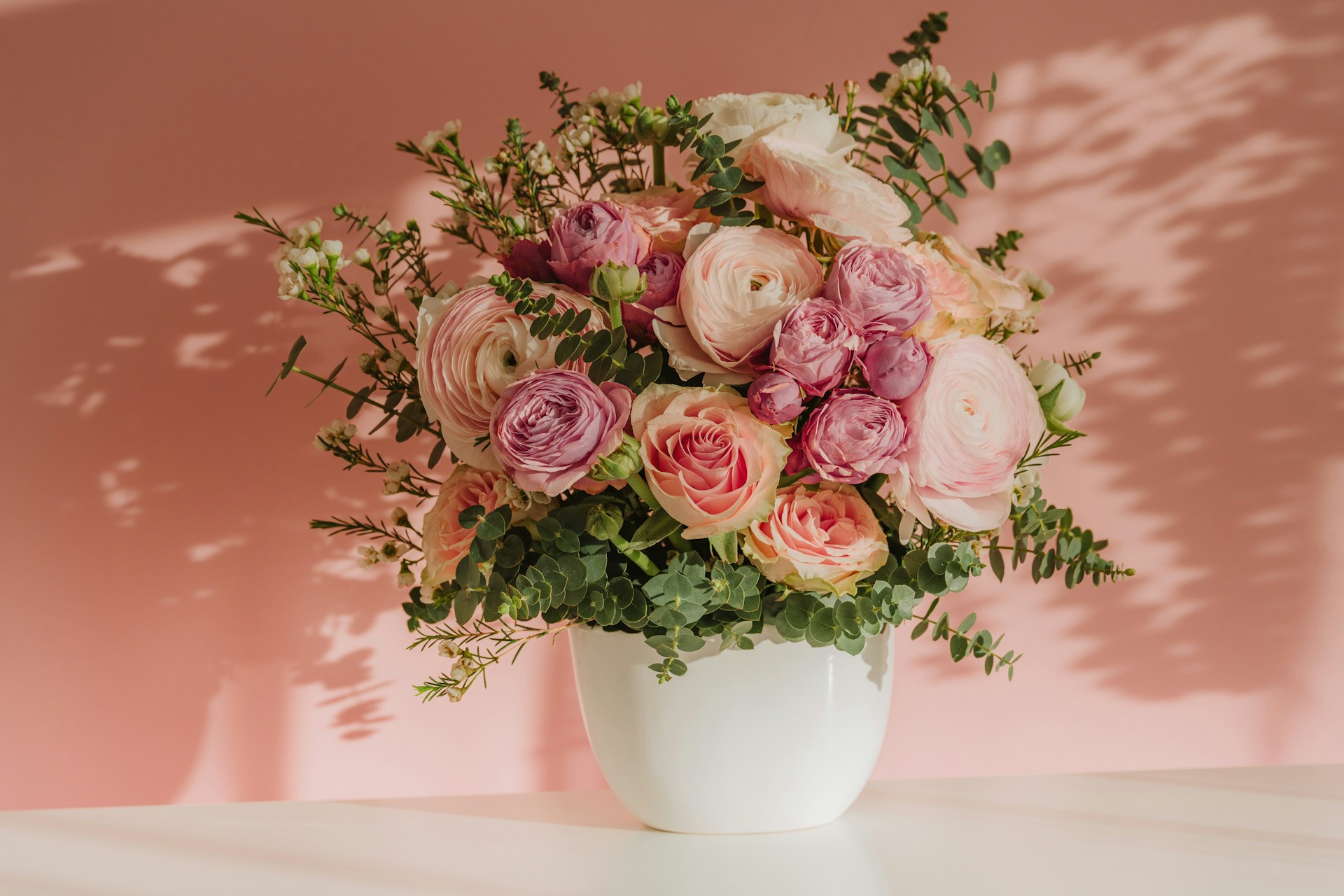
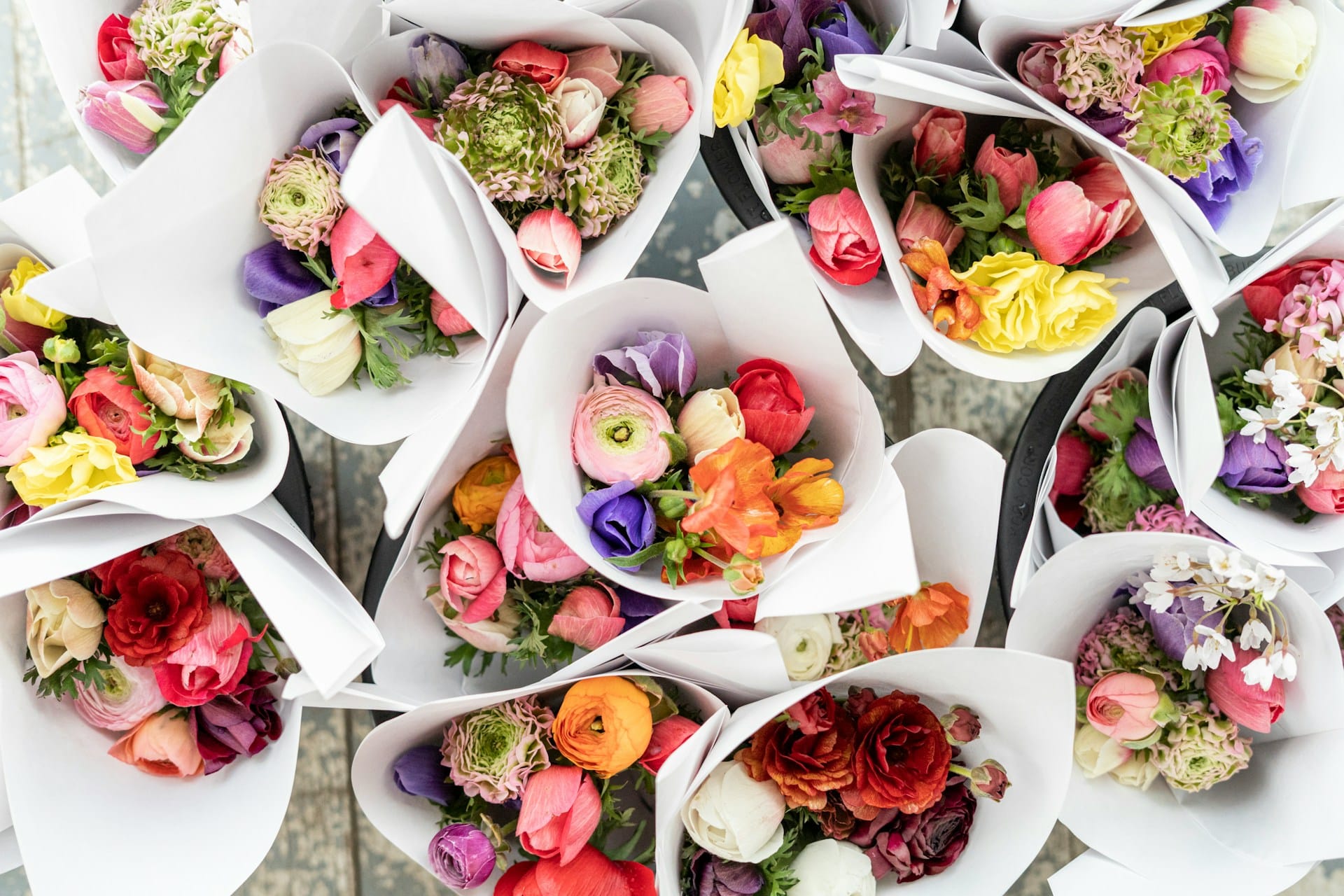
For winter events, build a Plan B from the start. Not a sad Plan B. A strong one. Garden roses, ranunculus, double tulips, lisianthus, anemones, and certain chrysanthemums can give that full-petal mood without forcing a peony to perform off-script.
You know what? Many guests won’t know the difference unless the brief, the brand deck, or the bride’s Pinterest board says “peony” in bold letters.
What to ask before placing an off-season order
Here’s where professionals can save time, money, and nerves. Don’t start with “Can you get peonies?” Start with a tighter brief.
Ask your florist:
- What colors are realistic that week?
- How many stems can be confirmed, not guessed?
- Will the stems arrive in tight bud, half open, or open?
- What is the backup flower if the shipment fails?
- How many days before the event should the flowers land?
- Can the florist condition them in-house before setup?
That last point matters. For a casual home vase, you can buy tight buds and wait. For a gala, showroom, or client dinner, timing has to be managed. Peonies often look plain when they arrive. Then, almost rudely, they open into the thing you paid for. The trick is getting that moment to happen at the right hour.
A strong florist thinks like a project manager. They build lead time, plan substitutions, check freight, and keep the client away from false certainty.
The “marshmallow bud” test is your friend
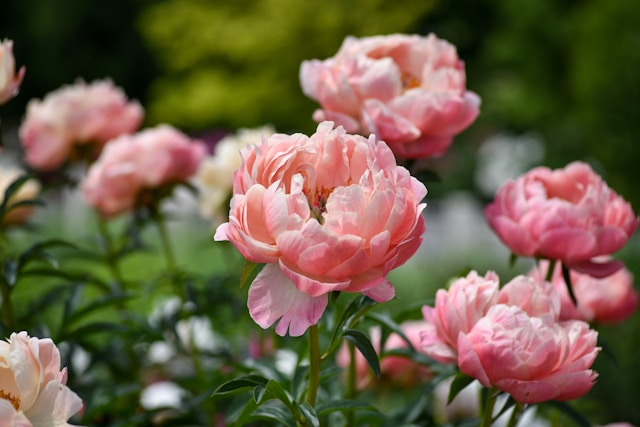
Peonies are often cut and shipped in bud. That’s normal. In fact, it’s usually preferred.
A good peony bud should not feel like a marble. It should have a slight give, a little squish, like a marshmallow. Too hard, and it may never open. Too open, and it may have a short vase life by the time it reaches the room.
That tactile check is common among growers and florists. It’s also easy for non-flower people to understand. Press the bud with care. Does it feel alive? Does color show through? Is the stem firm? Are the leaves clean? Good. You’re in business.
For professional orders, you may not be the person touching the flowers. Still, you can ask about stage. “Can we receive them at marshmallow stage?” is a better sentence than “I want them pretty.” Pretty is a mood. Bud stage is a spec.
Care is boring, until it saves the arrangement
Cut flower care sounds basic. Clean vase. Fresh water. Cut stems. Keep away from heat. But basic is where many arrangements go sideways.
NC State Extension says cut flowers need cold handling, floral preservatives, freedom from water stress, and low exposure to ethylene and microbes during storage and sale. McGill’s Office for Science and Society also notes that leaves below the waterline can rot and feed bacterial growth, which can clog stems.
For peonies, use that advice with extra respect. They’re dramatic flowers, and dramatic flowers can be needy.
Trim the stems when they arrive. Strip leaves that would sit in water. Use clean buckets or vases. Keep them cool while they’re opening. Move them away from sunny windows, heaters, and fruit bowls. Ripening fruit gives off ethylene gas, and ethylene can speed aging in cut flowers.
You whould be interested in: Why are my flowers dying so fast?
For an office, this means the reception desk may not be the right staging area overnight. The cool back room may be less photogenic, but it’s kinder.
Florist, online order, or smart substitute?
Online peony orders can work, especially for gifts and small home arrangements. Many farms and floral brands ship direct during their active season. That can be lovely. It can also be risky for a date-sensitive business need.
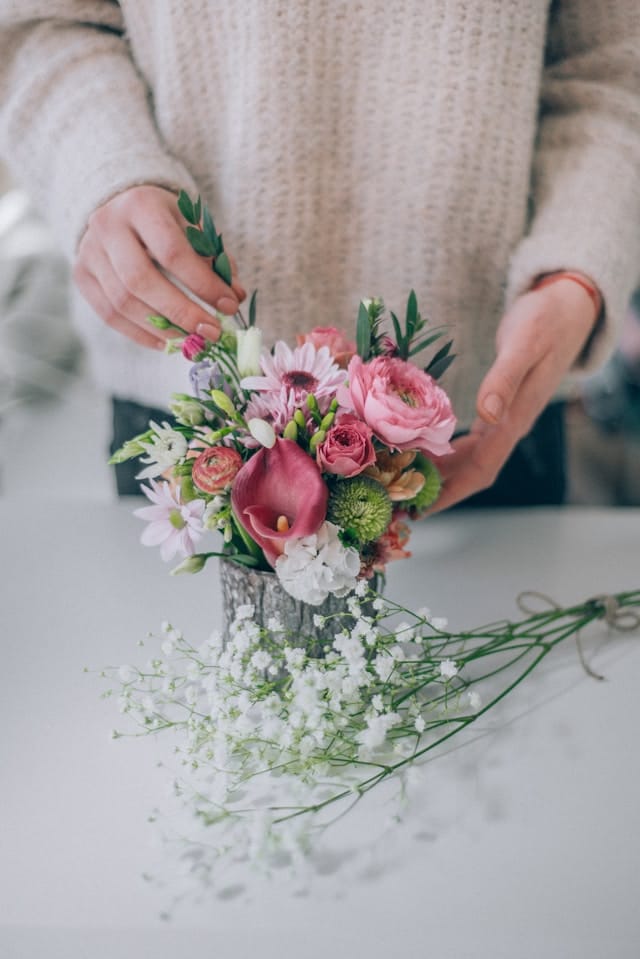
A local florist gives you judgment. That’s the asset. They can reject weak stems, swap in another flower, time the opening, and build the arrangement around what actually arrives. An online box gives you stems. Sometimes great stems. Still, it’s a box.
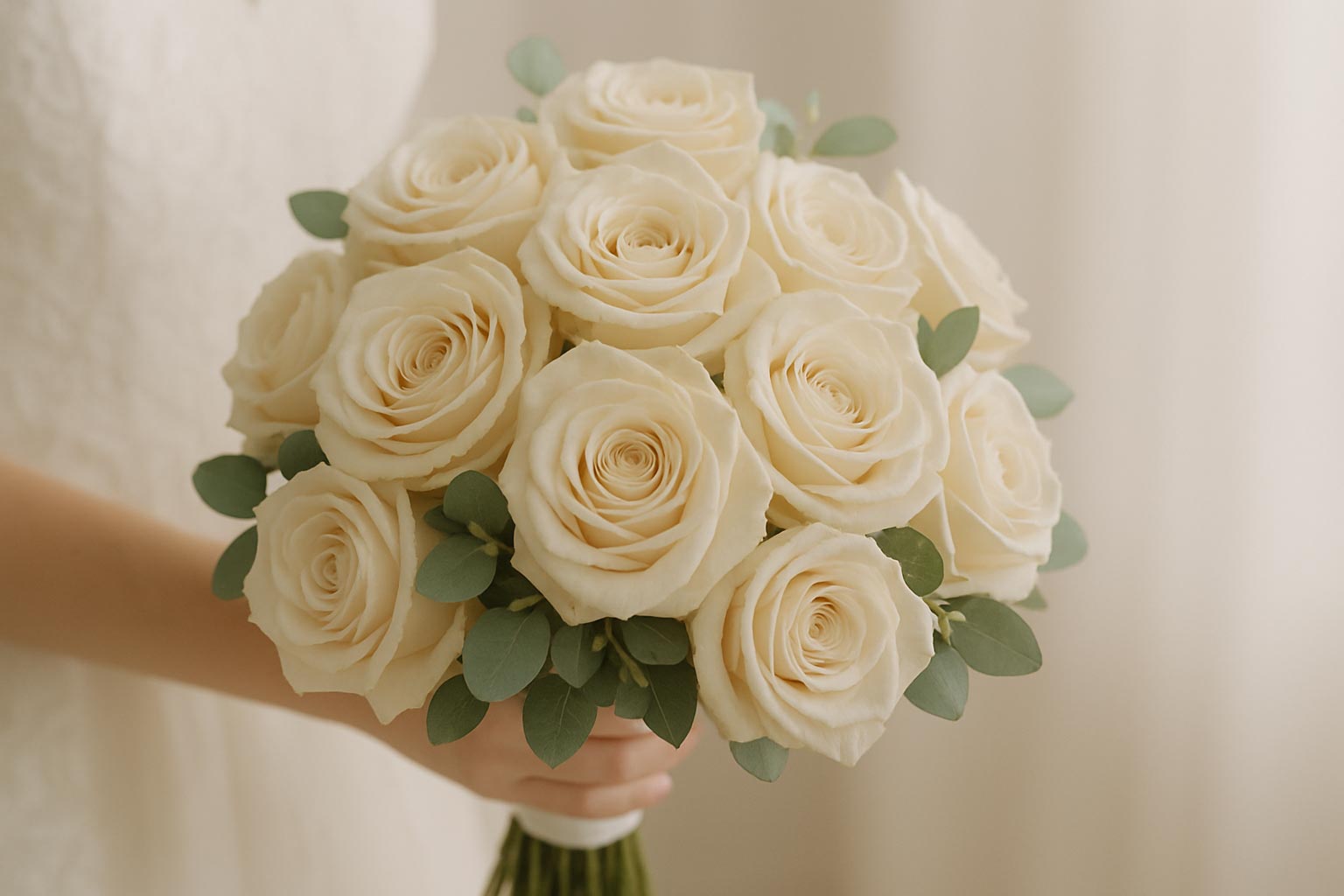
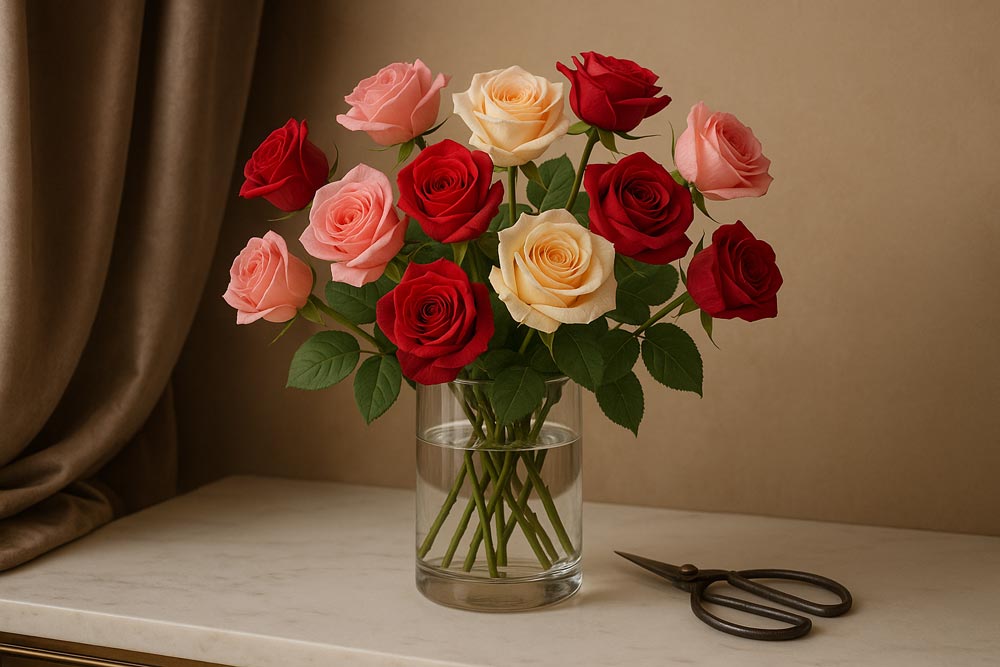
If peonies are unavailable, too costly, or too risky, don’t force them. Use flowers that carry the same emotional weight. Garden roses are the obvious stand-in. Ranunculus gives layered petals on a smaller scale. Double tulips can open wide and soft. Lisianthus has a tender, ruffled look and often plays well in business settings because it feels polished without shouting. Dahlias can bring drama in late summer and fall, though they also have a season. Hydrangeas give mass and volume, especially for large installations.
For brand work, ask what the flowers need to do. Should they feel romantic, modern, airy, rich, restrained, cheerful, or quiet? Once the job is clear, the flower choice gets easier.
Flower Delivery in Vaughan from Your Local Flower Shop
When you need fresh flowers for a birthday, anniversary, sympathy gesture, celebration, or just because, choosing a trusted flower shop in Vaughan makes all the difference. As a local florist, we create beautiful arrangements with care, using fresh blooms designed to match every occasion and personal style.
Our flower delivery in Vaughan makes it easy to send thoughtful gifts to loved ones, friends, colleagues, or clients without stress. Whether you are ordering a romantic bouquet, seasonal arrangement, elegant centerpiece, or same-day floral gift, our flower delivery service helps your flowers arrive fresh and beautifully presented.
If you are looking for a reliable flower shop that understands quality, design, and local service, our team is here to help you choose the perfect arrangement for any moment.
Timing tips for weddings, launches, and client events
For any event tied to peonies, lead time is your friend. Spring events can often be planned with more confidence, though nothing in agriculture is a lock. For late summer, fall, and winter, treat peonies as a premium request.
For a small dinner, two to three weeks may be enough if your florist already has supplier access. For a wedding, large installation, or corporate event, start earlier. Six to twelve weeks gives the florist room to quote, source, and design a backup. For huge stem counts, more time helps.
Also, be honest about budget. Nobody enjoys the dance where the client says “just something nice” and later sends a photo of a ballroom ceiling covered in flowers. Share the spend range. Share the must-haves. Share the nice-to-haves. Good florists can do a lot with clear limits.
And please, if peonies are mission-critical, say so early. Don’t bury that note in the fifth email after the quote has been built around roses.
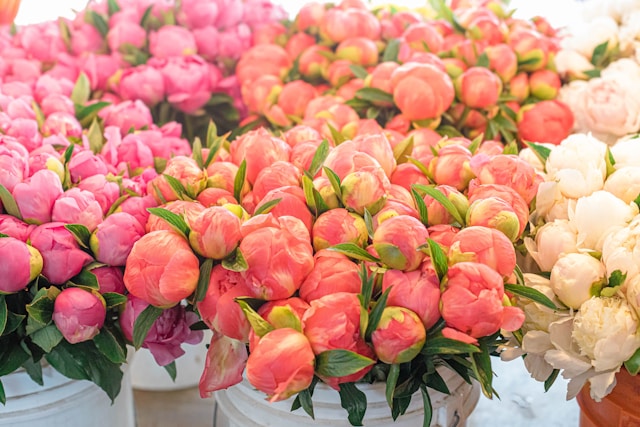
Color matters more off-season
In peak season, you may see white, blush, coral, pink, red, and deeper tones. Outside the main season, color choices can narrow fast.
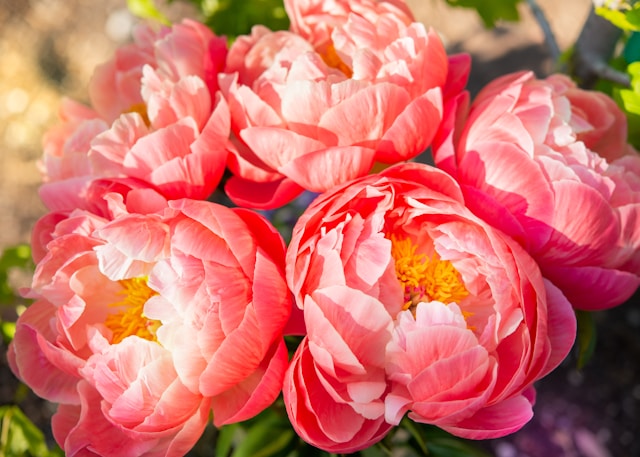
White or pale pink may be more common in some markets, but that can change by supplier and week. Coral peonies, those beloved sunset-colored ones, can be tricky even in season because they open and shift color fast. Deep red types can be bold, but they may not fit every brand or room.
Ask for a color range, not a single exact shade, unless the event design leaves no room for drift. Flowers are living goods, not Pantone chips.
So, should you buy peonies outside spring?
Yes, if they matter enough to plan for.
Buy them off-season when the flower itself carries meaning: a client’s favorite bloom, a wedding request, a brand shoot, a memorial arrangement, a luxury gift, or a seasonal contrast that feels intentional. In those cases, the extra cost and planning may be worth it.
Skip them when the goal is “pretty flowers” and no one is attached to peonies by name. You’ll often get a fresher, fuller, calmer result with in-season blooms. That’s not settling. That’s good direction.
Peonies are wonderful, but they’re not magic. They’re crops. They’re logistics. They’re timing. And, for a few glorious days, they’re also a room full of soft petals that make people stop mid-sentence.
That’s why we chase them.
So yes, you can buy peonies outside of spring. Just don’t treat them like a last-minute bunch from the corner shop. Treat them like a limited-run product with a floral soul: plan early, ask sharp questions, accept a little flex, and let your florist steer the details.
When the buds open right on cue, you’ll be glad you did.

















 Roses
Roses By Color
 Red
Red Blue
Blue Pink
Pink Yellow
 Purple
 Arrangement Type
 Vase
Vase Box
Box Basket
 Design Your Bouquet
 Sympathy Flowers
 Funeral Flowers

 Gift Baskets
 Cakes
Cakes Plush Toys