


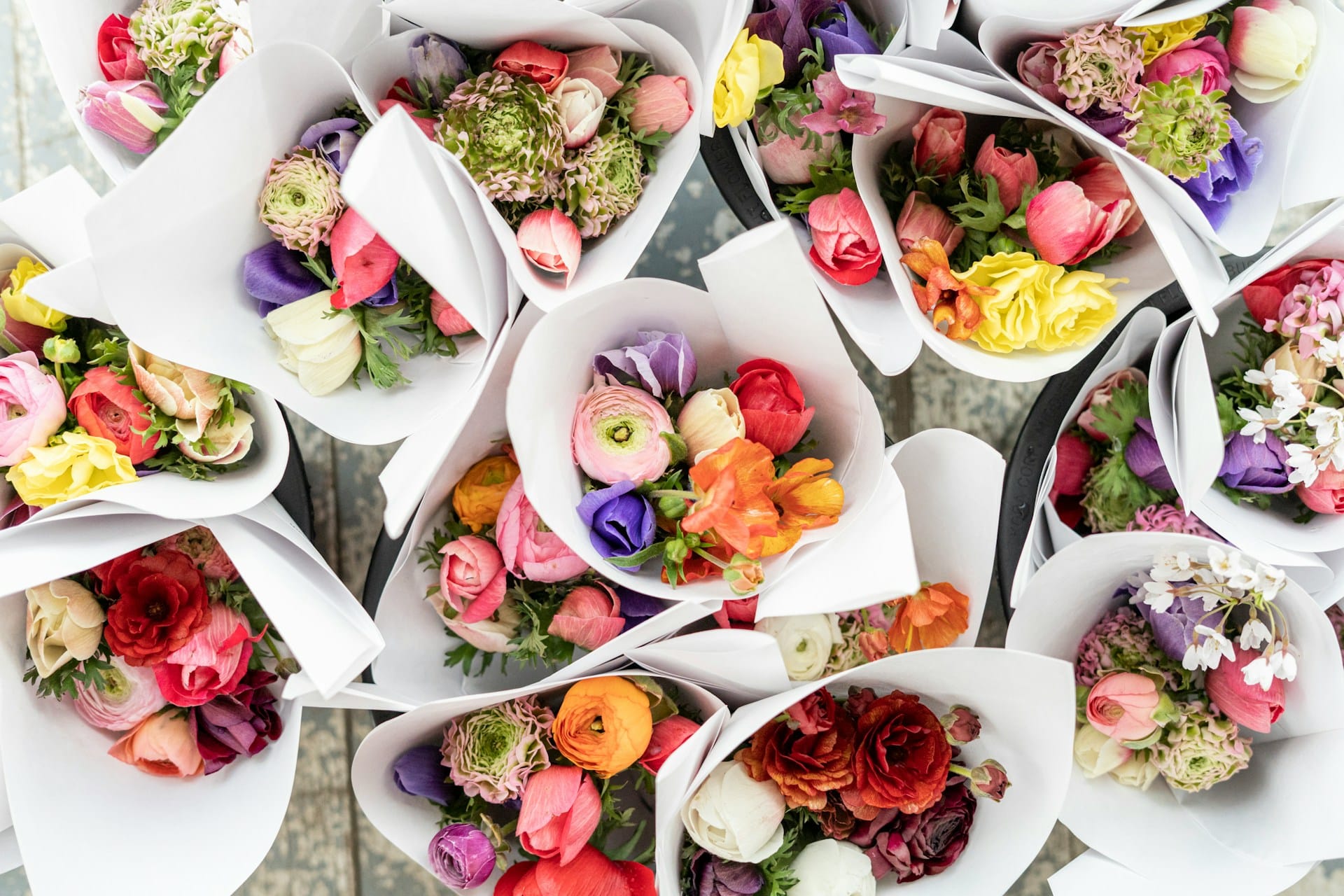
You’d think picking flowers for Mother’s Day would be simple. Walk into a shop, point at something that looks nice, done. But anyone who’s hesitated in front of a wall of roses knows, it’s not that straightforward.
Color carries meaning. Not in a rigid, rulebook kind of way, but in a soft, almost subconscious language we all recognize. A bouquet can say “thank you” “I admire you” or even “I remember you” without a single word.
And if you’re a professional, used to making deliberate decisions, weighing signals, thinking about perception, you probably feel that pressure even more. Because this isn’t just a gift. It’s communication.
So, what color should you choose?
Let’s break it down in a way that actually helps.
The Quiet Language of Color (Yes, It’s Real)
Here’s the thing, flower colors operate a bit like tone in an email. You can write the exact same sentence and still change its impact just by adjusting how it feels.
Colors do that. Subtly.
You don’t need to memorize a textbook of symbolism. But having a working sense of what each color conveys? That helps you avoid awkward misfires, like showing up with a bouquet that unintentionally feels too romantic… or too impersonal.
And yes, people notice. Maybe not consciously, but they notice.
The Classics Exist for a Reason
Let’s start with a mild contradiction: you don’t have to overthink this.
At the same time… you probably should think about it a little.
Classic Mother’s Day colors, white, pink, soft pastels, have stuck around because they strike a balance. They feel warm without being overwhelming. Thoughtful without trying too hard.
If you’re ever unsure, leaning into the classics is rarely a bad call.
But if you want your choice to feel more personal, or just less predictable, there’s more nuance worth considering.
White Flowers: Quiet, Respectful, and Surprisingly Powerful
White flowers are often underestimated. People assume they’re “safe” maybe even a bit plain.
They’re not.
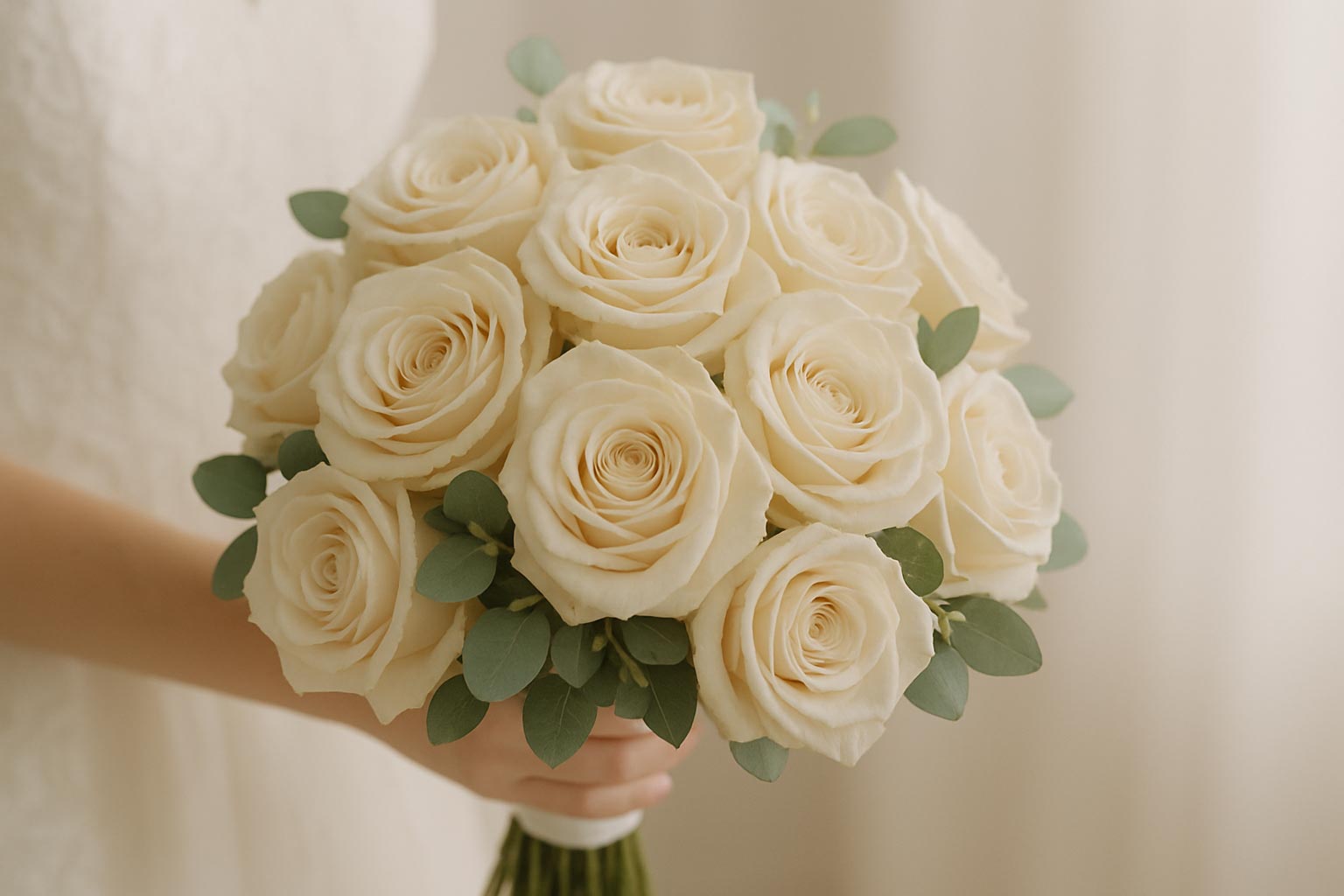
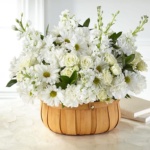
White tends to signal respect, sincerity, and a kind of calm appreciation. It’s understated, which, ironically, makes it feel more intentional in certain contexts.
If your relationship with your mother is grounded in deep respect rather than overt sentimentality, white works beautifully.
There’s also a more reflective side to it. White flowers are sometimes chosen to honor mothers who have passed. It’s a softer gesture. Not heavy, not dramatic, just present.
You know what? In a world full of loud gestures, quiet ones stand out.
Pink Flowers: The Default That Still Feels Personal
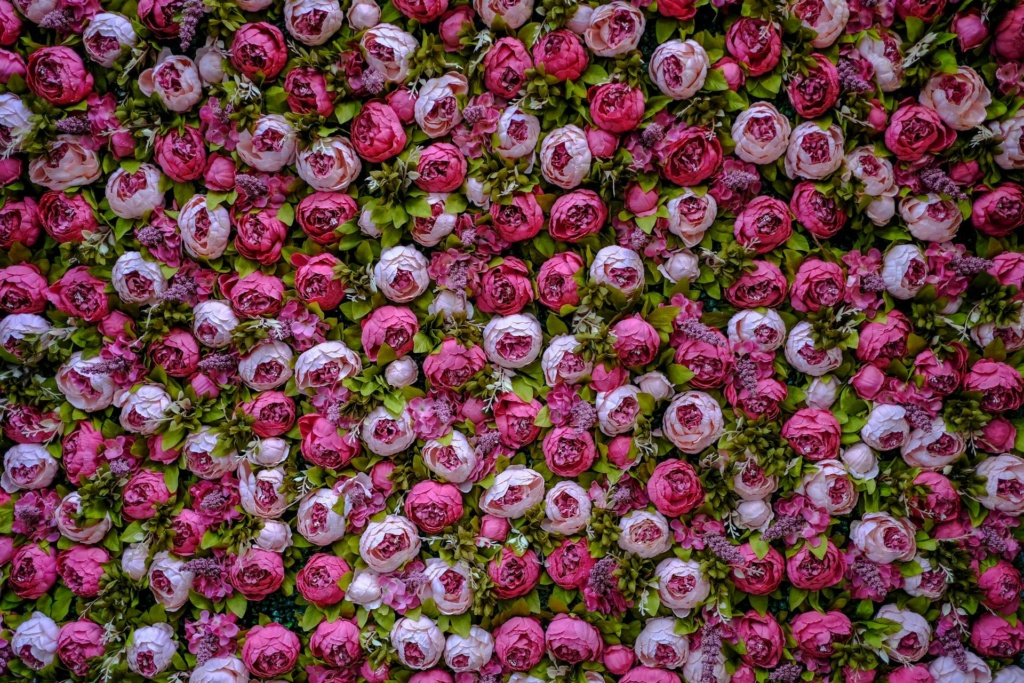
If Mother’s Day had a “home base” color, pink would be it.
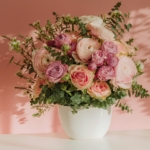
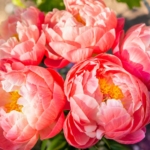
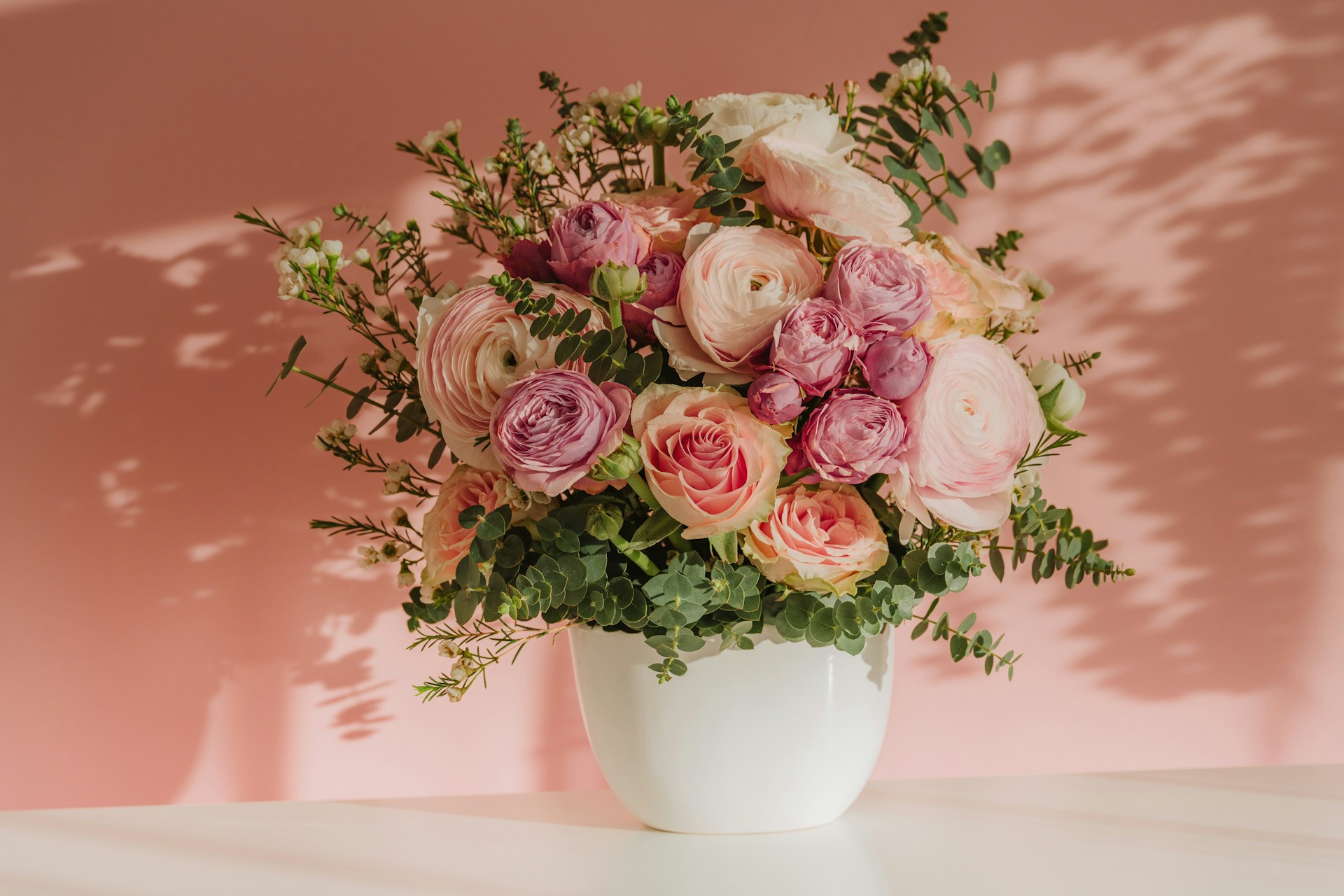
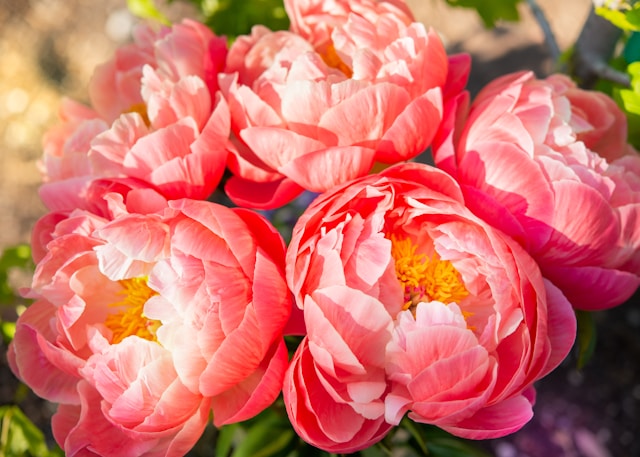
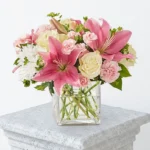
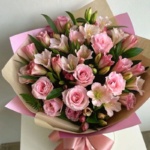
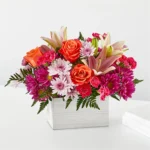
Pink flowers communicate gratitude, affection, and appreciation, without crossing into overly romantic territory. They’re warm. Familiar. Easy to receive.
But here’s where it gets interesting: not all pinks say the same thing.
- Soft blush pink feels gentle and appreciative
- Bright pink leans more celebratory and energetic
- Dusty rose tones can feel almost nostalgic
So even within a “safe” choice, you’ve got room to tailor the message.
Professionally speaking, pink is the equivalent of a well-written thank-you note. It lands well. It feels appropriate. It rarely gets misinterpreted.
Red Flowers: Love, But With Context
Red is tricky.
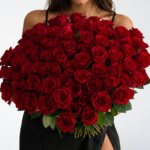
It’s powerful, no doubt. It signals love, intensity, and deep emotion. But it also carries strong romantic associations, thanks in large part to decades of Valentine’s Day marketing.
So should you avoid red for Mother’s Day?
Not necessarily.
If your family dynamic is expressive and emotionally open, red flowers can feel completely natural. In fact, for some, they communicate a level of closeness that softer colors don’t quite reach.
But if there’s any hesitation, if you’re second-guessing, it might be worth blending red with other colors rather than going all-in.
Think of it like tone in a meeting. Strong statements are effective… but context matters.
Yellow Flowers: Warmth With a Hint of Risk
Yellow is one of those colors that seems straightforward. Bright, cheerful, optimistic.
And it is. Mostly.
Yellow flowers convey happiness, friendship, and warmth. They feel sunny, literally and figuratively. If your goal is to lift the mood or bring a sense of lightness, yellow delivers.
But there’s a small catch.
In some contexts, yellow has been associated with friendship more than familial or deep emotional bonds. It’s subtle, but for some people, it can feel a bit… casual.
Does that mean you should avoid yellow? Not at all.
Just consider pairing it with softer tones, whites, pinks, even light purples, to round out the message. That way, you keep the brightness without losing emotional depth.
Purple Flowers: Admiration With a Bit of Prestige
Purple doesn’t get enough attention in this conversation.
It tends to symbolize admiration, dignity, and a certain level of respect that feels almost… elevated. There’s a quiet confidence to it.
If your mother has a strong presence, someone who commands respect, maybe even runs a household or career with authority, purple can feel incredibly fitting.
It’s also a good option if you want something that stands out without being flashy.
In a way, purple flowers are like a well-tailored suit. Not loud, but undeniably intentional.
Mixed Bouquets: When One Message Isn’t Enough
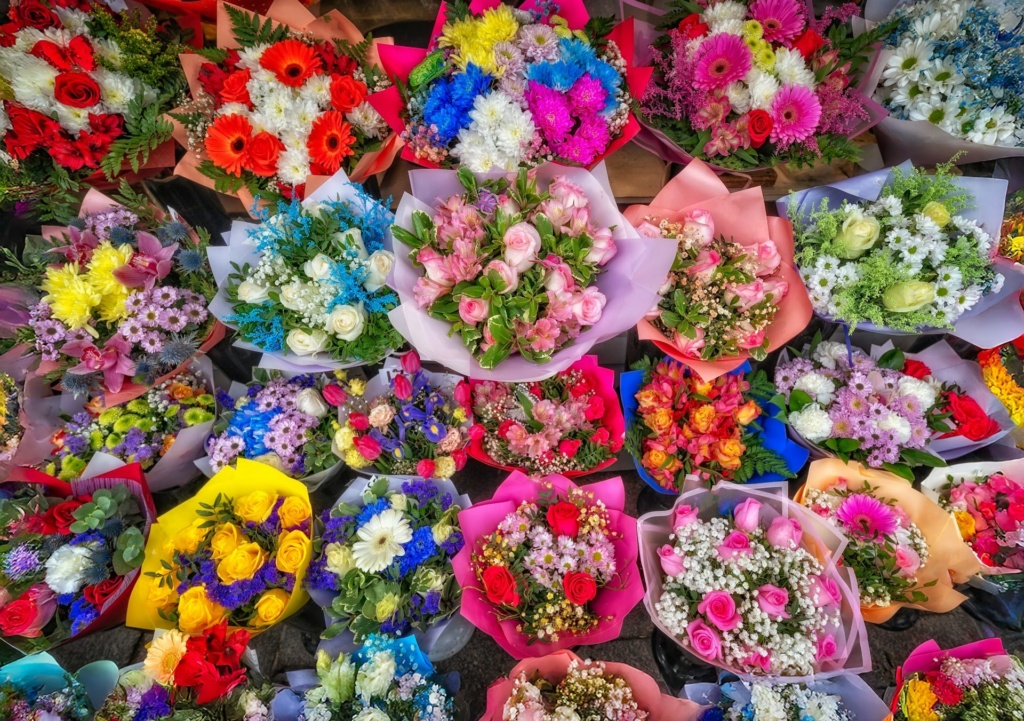
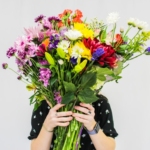
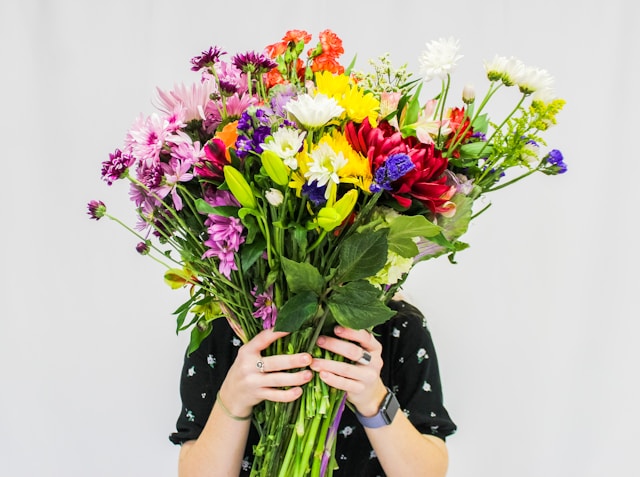
Let’s be honest, most relationships aren’t one-dimensional. So why should the bouquet be?
Mixed arrangements allow you to layer meaning:
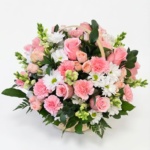
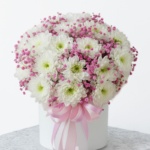
- Pink + white = appreciation with sincerity
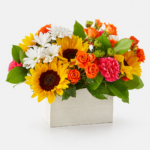
- Yellow + pink = warmth with gratitude
- Purple + white = admiration with respect
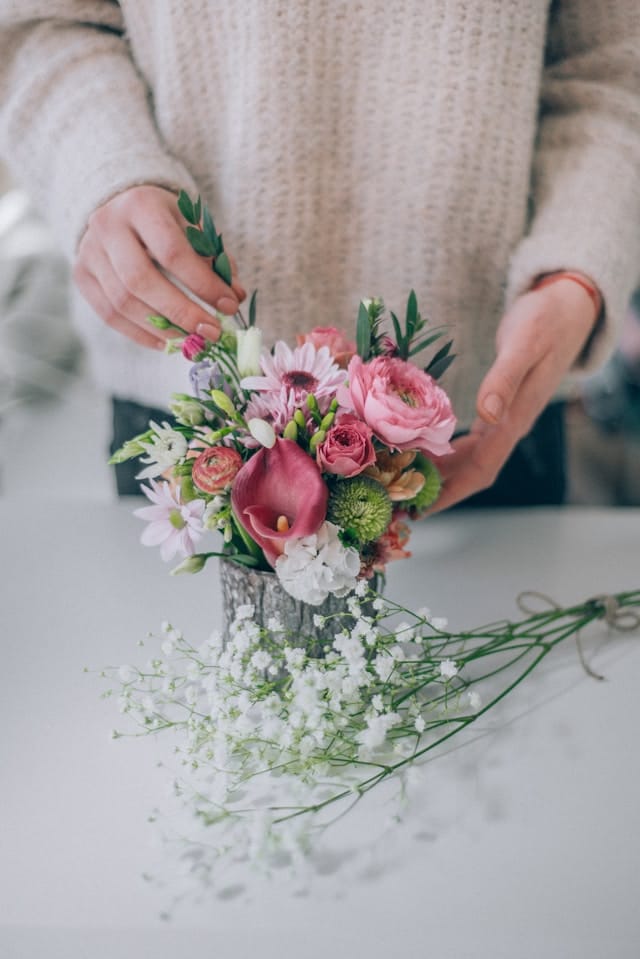
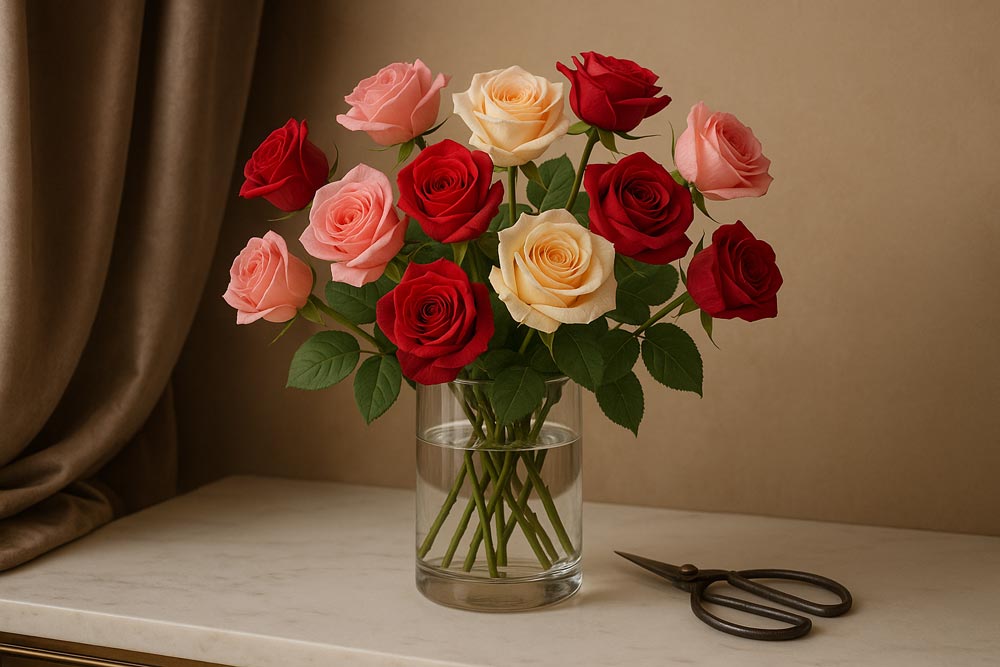
And beyond symbolism, mixed bouquets just feel more dynamic. They catch the eye. They feel curated, even if they weren’t meticulously planned.
Here’s the thing: life isn’t a single tone. Your gift doesn’t have to be either.
Culture and Generational Nuance (It Matters More Than You Think)
Color meaning isn’t universal.
In some cultures, white is tied more closely to mourning. In others, red is considered lucky and celebratory rather than romantic. Even generational preferences play a role, what feels appropriate to you might read differently to someone else.
If you’re navigating a multicultural family or buying for someone with strong cultural ties, it’s worth pausing for a moment.
A quick check, mental or literal, can save you from sending the wrong message unintentionally.
And honestly, that level of awareness tends to be appreciated far beyond the gift itself.
A Professional’s Approach to Choosing Flowers
Let’s shift perspective for a second.
If you approach this like a business decision (bear with me), you’re balancing three variables:
- Message clarity – What do you want the flowers to say?
- Audience alignment – How will your mother interpret that message?
- Execution quality – Does the bouquet actually look good?
It’s not that different from preparing a presentation or writing a client email. Tone, audience, delivery, it’s all there.
You don’t need perfection. You just need alignment.
When Meaning Meets Convenience: Choosing the Right Flower Shop
At some point, the decision shifts from what you want to say to how you’re going to make it happen. That’s where your choice of florist matters more than people expect.
A reliable flower shop doesn’t just sell arrangements—it helps translate intent into something tangible. You might have a clear idea (“soft pink, nothing too loud”), or maybe you’re working with a vague direction and a tight schedule. Either way, the execution can make or break the gesture.
If you’re local, working with a flower shop in Vaughan has its advantages. You get access to fresher inventory, quicker turnaround times, and—this part often gets overlooked—staff who understand local preferences. That subtle awareness can shape recommendations in a way that feels more personal.
And then there’s timing. Let’s be honest—Mother’s Day has a way of sneaking up on people. That’s where flower delivery in Vaughan becomes less of a luxury and more of a practical solution. Same-day or scheduled flower delivery means you’re not scrambling at the last minute or settling for whatever’s left.
A good florist will also guide you through small but important details:
- Which colors are in season right now
- What holds up best during delivery
- How to balance budget with presentation
- When to place your order for peak dates
You’re not just buying flowers—you’re delegating part of the decision. And when that’s done well, it shows.
So yes, color matters. But the hands that arrange and deliver those flowers? They matter just as much.
Practical Tips That Make a Difference
This is where things get slightly less poetic, but just as important.
1. Timing matters more than you think
Ordering early avoids last-minute compromises. Florists get busy. Selection narrows quickly.
2. Presentation counts
A well-arranged bouquet, even a modest one, often lands better than a larger, poorly put-together option.
3. Add a note (even a short one)
Color carries meaning, yes. But a few words reinforce it. Doesn’t have to be long. Just real.
4. Think about where it’ll go
Kitchen table? Living room? Office desk? Size and color intensity should fit the space.
A Quick Detour: Why Flowers Still Work
You could buy something else. A gadget, a gift card, maybe a nice dinner reservation.
So why do flowers keep showing up?
Because they’re immediate. Sensory. Temporary, even, and that’s part of the point.
They don’t last forever, which somehow makes them more meaningful in the moment. They say, “I thought of you right now.”
And color is the first thing people notice. Before the type of flower, before the arrangement, it’s the color that lands.
Common Mistakes (They Happen More Than You’d Expect)
A few things to watch out for:
- Going too neutral – A bouquet that feels generic can come across as an afterthought
- Overcorrecting with bold colors – Trying too hard to stand out can feel off-tone
- Ignoring personal preference – If she loves a specific color, start there
- Last-minute decisions – These tend to default to whatever’s left, not what’s meaningful
None of these are catastrophic. But they do dilute the impact.
So… What Color Should You Choose?
If you want a straightforward answer:
- Pink is the most universally appropriate
- White adds sincerity and respect
- Yellow brings warmth (best paired)
- Purple signals admiration
- Red works, but depends on your relationship
Or, more realistically, go with a mix that reflects how you actually feel.
Because that’s what this comes down to.
Frequently Asked Questions (Because People Always Wonder)
[saswp_tiny_multiple_faq headline-0=”h2″ question-0=”What color flowers are best for Mother’s Day?” answer-0=”<p class=”p1″>Pink is the most common choice, it communicates appreciation and warmth without feeling overdone. White and soft pastels also work well if you want something more understated. If you’re unsure, a mixed bouquet that includes pink is usually a safe direction.</p>” image-0=”” headline-1=”h2″ question-1=”Can I send red flowers for Mother’s Day, or is that too romantic?” answer-1=”<p class=”p1″>You can, but it depends on your relationship. Red signals strong emotion, which can feel perfectly natural in close families. If there’s any hesitation, mixing red with softer tones like white or pink helps balance the message.</p>” image-1=”” headline-2=”h2″ question-2=”Is same-day flower delivery in Vaughan available for Mother’s Day?” answer-2=”<p class=”p1″>Many providers offer <a href=”/florist/vaughan-florist/”><span class=”s1″><b>flower delivery in Vaughan</b></span></a>, including same-day options, but availability tightens quickly around peak dates. It’s always better to book early through a trusted <b>flower shop in Vaughan</b> to avoid limited selection or delivery delays.</p>” image-2=”” headline-3=”h2″ question-3=”What should I look for when choosing a florist?” answer-3=”<p class=”p1″>A good <b>florist</b> will guide you on color combinations, seasonal availability, and arrangement styles. Beyond that, check reviews, delivery reliability, and how clearly they communicate options. It’s less about price alone and more about consistency.</p>” image-3=”” headline-4=”h2″ question-4=”Are mixed flower arrangements better than single-color bouquets?” answer-4=”<p class=”p1″>Not always better, just different. Mixed arrangements allow you to combine meanings and create something more layered. A single-color bouquet, on the other hand, can feel more intentional and focused. It depends on the message you want to send.</p>” image-4=”” headline-5=”h2″ question-5=”How far in advance should I order Mother’s Day flowers?” answer-5=”<p class=”p1″>Ideally, a few days ahead. For guaranteed delivery and the best selection, ordering early through a local <a href=”/shop/”><span class=”s1″><b>flower shop</b></span></a> or arranging <b>flower delivery</b> in advance is the safest move, especially during busy seasons.</p>” image-5=”” headline-6=”h2″ question-6=”Do flower colors mean the same thing in every culture?” answer-6=”<p class=”p1″>Not exactly. While pink and white are widely accepted for Mother’s Day, some cultures attach different meanings to colors like white or yellow. If cultural context matters in your family, it’s worth considering before choosing your bouquet.</p>” image-6=”” headline-7=”h2″ question-7=”What if I don’t know my mother’s favorite flower or color?” answer-7=”<p class=”p1″>When in doubt, go with soft pinks or a balanced mixed arrangement. These tend to feel thoughtful without being too specific, and they’re rarely misinterpreted. A knowledgeable <b>florist</b> can also suggest options based on what’s popular locally.</p>” image-7=”” count=”8″ html=”true”]







 Roses
Roses By Color
 Red
Red Blue
Blue Pink
Pink Yellow
 Purple
 Arrangement Type
 Vase
Vase Box
Box Basket
 Design Your Bouquet
 Sympathy Flowers
 Funeral Flowers

 Gift Baskets
 Cakes
Cakes Plush Toys