


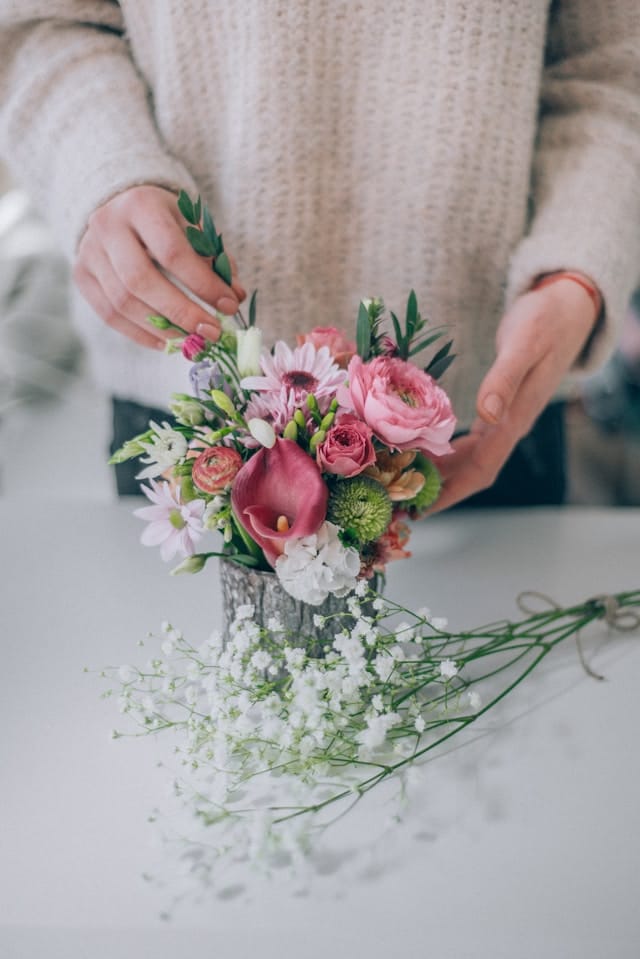
You bring home a bouquet, set it in a vase, step back, and think, “Okay. This looks like a magazine.” Then, what, 36 hours later?, the heads droop, petals go papery, and the water turns a shade of “pond.” It feels personal. Like the flowers are judging your life choices.
Here’s the thing: cut flowers are living tissues on borrowed time. They can still drink, still breathe, still react to heat and germs and stress. They just can’t repair themselves the way a plant in soil can. So small mistakes, tiny, normal, human mistakes, show up fast.
Let me explain what usually goes wrong, what to fix first, and why some bouquets were doomed before you even paid for them.
First question (slightly rude, but fair): how old are those flowers?
Not all “fresh” flowers are fresh in the way you mean. A bouquet can be cut, cooled, shipped, stored, arranged, and displayed for days before it lands on your kitchen counter. Even with refrigerated trucks and good handling, time adds up.
A few clues your bouquet may already be on the back foot:
- Petals look thin at the edges or slightly see-through
- Leaves are yellowing near the stem base
- Stems feel slimy or smell “green… but off”
- The bouquet looks perfect from the front, but the back side is tired
This is why florist flowers often last longer than grocery store bunches (not always, but often). Many florists process flowers right away: fresh cuts, clean buckets, flower food, proper cold storage. Some supermarkets do this too. Some… don’t. And you can tell.
There’s also a seasonal angle. In peak season (think spring tulips, summer sunflowers), flowers tend to travel less and move faster. In off-season, they might fly farther and sit longer. It’s not romantic, but it’s real.
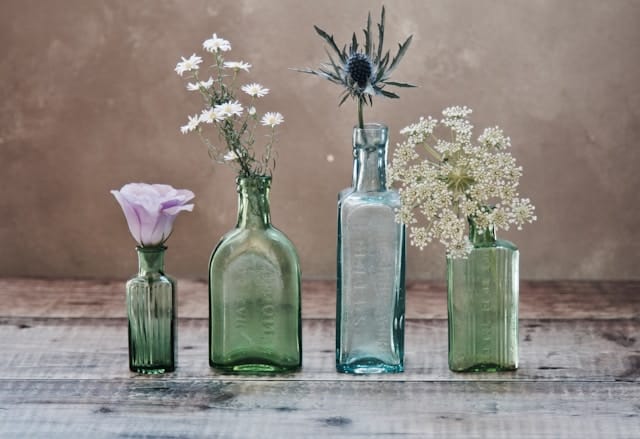
Your vase might be the problem (yes, even if it “looks clean”)
Honestly, most early flower deaths come down to one word: bacteria.
Bacteria forms a biofilm inside vases, an invisible slick layer that clings to glass, ceramic, and especially anything with scratches. It clogs stem ends like cholesterol in a pipe. Once the “pipes” are blocked, flowers can’t drink, and they collapse even with a full vase of water.
A quick rinse won’t cut it. What helps:
- Wash the vase with hot water and dish soap
- Scrub the inside (a bottle brush is weirdly satisfying)
- Rinse well so soap residue doesn’t linger
- If the vase had funky water before, add a splash of bleach to the wash water, then rinse again
If that sounds intense, think of it like cleaning a coffee thermos. A light rinse doesn’t touch the film. Same idea.
And while we’re here: those cute narrow-neck vases? Pretty. Also harder to clean. Gorgeous, high-maintenance friends.
Water is simple… until it isn’t
People think flowers die because they “need more water.” Sometimes, yes. Often, no. They die because the water becomes a bacterial soup, or because the stems can’t drink due to blockage, or because the water level is wrong for that flower type.
A few water rules that actually hold up:
1) Change the water more than you think.
Every day is great. Every other day is the realistic goal for most households. Top-ups are not the same as a change, topping up dilutes the gross stuff, but it doesn’t remove it.
2) Room-temp water is usually safest.
Very cold water can shock some flowers. Warm water can speed up bacterial growth. Lukewarm-to-room temp is a calm middle.
3) Keep leaves out of the water.
Submerged leaves rot fast. Rot feeds bacteria. Bacteria blocks stems. You see the loop.
4) Don’t overfill “woody” stems in tiny vases.
This sounds like a contradiction, because “more water” feels helpful. But if the vase is tight and overfilled, leaves may sit in water, stems may bruise, and the water may sour faster. A stable waterline with clean water beats a full vase of dirty water.
And yes, water quality matters. If your tap water is very hard or heavily chlorinated, flowers can sulk. If you’ve ever noticed white scale in your kettle, you’ve got a clue. Trying filtered water (a Brita-style pitcher) can make a noticeable difference for some bouquets.
The cut: small detail, big consequences
You know what? The cut is the closest thing cut flowers have to a “reset button.”
When flowers sit out of water, the stem end can dry out and seal. Also, stems get bruised during transport. A fresh cut opens the drinking channels.
What to do:
- Use sharp scissors or snips (Fiskars makes reliable ones)
- Cut 1–2 cm off the bottom of each stem
- Cut at an angle (more surface area, less chance it seals flat on the vase bottom)
- Re-cut every couple of days if you can
Two common mistakes:
- Using a dull kitchen knife. It can crush stems instead of slicing them. Crushed stems drink poorly.
- Cutting stems and then leaving them on the counter “for a sec.” That “sec” becomes five minutes. Then the stem end dries again. If you can, cut and place straight into water.
There’s a florist trick you might hear: cutting stems under water. It can help with certain flowers, but it’s not mandatory for most home bouquets. The bigger win is simply making a clean, sharp cut and getting stems back into water fast.
Flower food: what it really does (and why DIY recipes can flop)
That little packet isn’t magic dust, but it’s close to a decent system:
- Sugar feeds the flower (energy)
- Acid helps water move through the stem
- A mild biocide slows bacteria
Brands like Floralife and Chrysal are common in the trade for a reason, they’re consistent.
Now, the internet loves DIY mixes (sugar + vinegar + a penny + a prayer). Sometimes they help. Sometimes they speed up the mess. Sugar without a proper bacteria control can turn vase water into a buffet.
If you don’t have flower food, you can still do well with very clean vase habits and frequent water changes. If you do have flower food, follow the packet amounts. Too much can burn stems or make water cloudy faster. More isn’t better here.
Where you place the bouquet matters more than you’d think
Flowers are basically little climate sensors. Put them in a bad spot and they’ll tell you, quickly.
Avoid these “silent killers”:
- Direct sun on the vase (pretty for photos, rough for longevity)
- Heat sources: radiators, ovens, espresso machines, sunny windowsills
- Airflow: AC vents, fans, drafty doorways
- Electronics heat: TVs, routers, anything warm and constant
Heat speeds everything up. Water uptake, respiration, petal aging, bacterial growth, fast, fast, fast. So if your flowers look amazing on day one and then collapse overnight, check the temperature swings in that room.
A boring corner can be a great corner. Bright shade beats blazing sun.
The sneaky villain: ethylene (a gas that ages flowers)
Ethylene is a natural plant hormone in gas form. Some flowers are very sensitive to it. It’s released by ripening fruit, cigarette smoke, car exhaust, and, here’s the twist, aging flowers themselves.
So when one stem starts to go, it can nudge the whole bouquet toward the exit.
Keep bouquets away from:
- Fruit bowls (especially bananas and apples)
- Compost bins
- Smoke
- Dying houseplants or decaying plant matter nearby
And pull out fading stems as soon as you notice them. It feels a little ruthless, but it works. One bad actor can spoil the bunch.
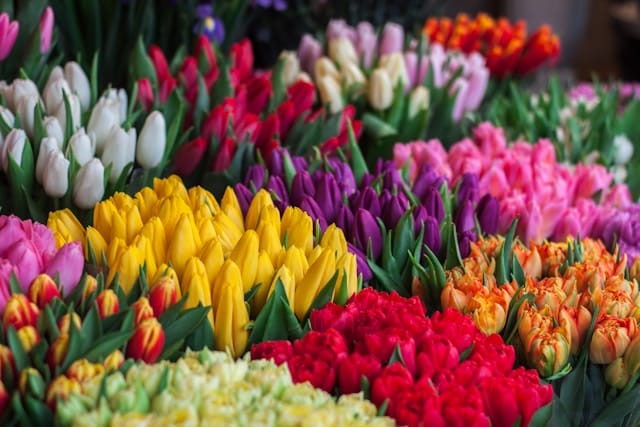
“Okay, but which flower is causing the drama?” (common problem children)
Some flowers are just… divas. Lovely divas, but still.
Tulips
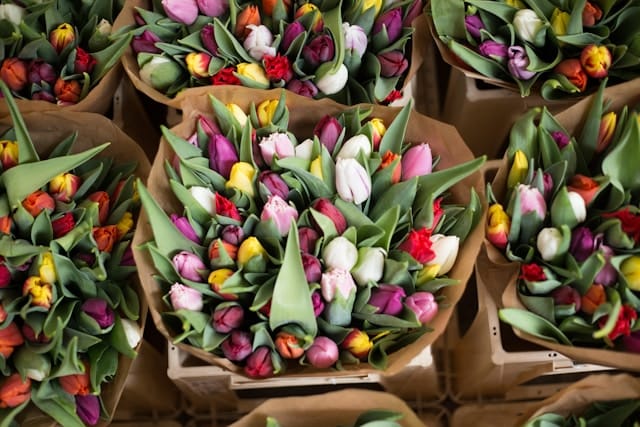
Tulips keep growing after they’re cut. They bend toward light, they stretch, they flop. That’s not always “dying.” It’s tulips being tulips.
What helps:
- Use cool water
- Keep them out of direct sun
- Don’t pack the vase too tight
- Re-cut and change water often
Hydrangeas
Hydrangeas are thirsty like they’ve just crossed a desert. If they wilt, it can happen fast.
What helps:
- A deep drink (more water in the vase)
- Frequent water changes
- Re-cut stems
- If they fully droop, you can try submerging the bloom in cool water for 20–30 minutes, then re-cut and vase again (it sounds odd, but it can revive them)
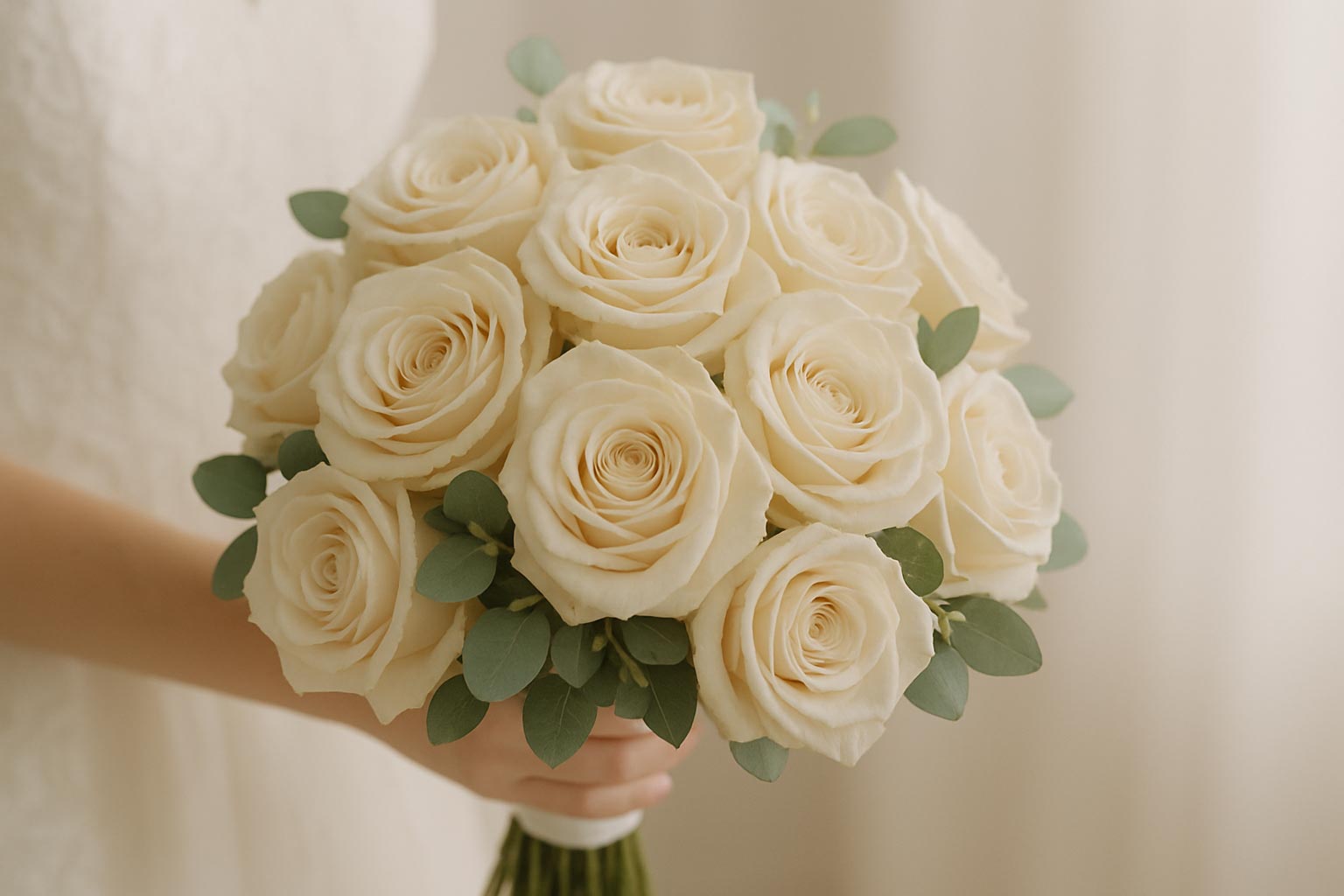
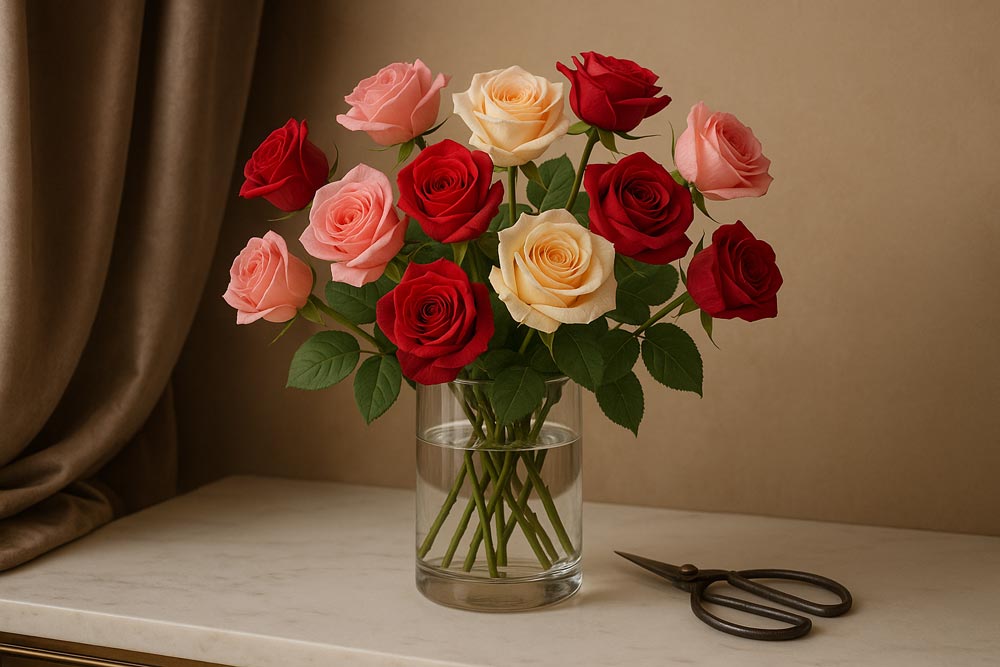
Roses
Roses can “bent neck” when stems can’t move water.
What helps:
- A sharp re-cut
- Very clean water
- Remove guard petals that look bruised (those outer petals often take the hit during shipping)
- Keep them cool at night if you can (even a cool room helps)
Lilies
They last well, but pollen is a menace. It stains.
Tip: When lilies open, gently remove the pollen-covered anthers with a tissue. It helps with mess and can help the flower last a bit longer.
Daisies, mums, carnations
Often hardy and long-lasting, unless the water goes bad. They’re the “easy employees” until the break room fridge gets gross. Then everyone suffers.
Mixed bouquets
Mixed bouquets are beautiful, but they create mixed needs. Some stems like lots of water, others don’t. Some are ethylene-sensitive. Some shed pollen. So the bouquet can fail at the weakest link.
A quick “triage plan” when flowers start dropping
If your bouquet is already looking sad, don’t overthink it. Do the basics, fast.
- Dump the water. All of it.
- Wash the vase with hot soapy water. Rinse well.
- Strip low leaves that would sit below the waterline.
- Re-cut every stem with sharp snips.
- Refill with clean room-temp water + flower food (correct amount).
- Move the bouquet to a cooler spot, away from sun/vents/fruit.
- Remove failing stems (mushy, moldy, collapsed).
Then wait a few hours. Some flowers perk up slowly. Others won’t. That’s not you failing, that’s physiology and time.
Sometimes it’s not your fault (and that’s worth saying out loud)
You can do everything “right” and still lose a bouquet early. A few behind-the-scenes issues don’t show up until the flowers are home:
- Freeze damage from cold transport (petals later look watery or browned)
- Heat damage from being left in a warm loading area
- Crushed stems from tight packing
- Disease (botrytis/gray mold can show as speckled petals or fuzzy gray patches)
- Old stock rotated poorly
If you bought flowers and they collapsed within 24–48 hours despite clean water and a fresh cut, take a photo and contact the shop. Many florists and supermarkets will replace them. Not as a favor, as basic customer service.
Buying flowers that actually last (small shopping habits, big payoff)
If you want longer vase life, the win starts at the store.
Look for:
- Buds that are just opening (not fully blown out)
- Firm stems, not slimy ends
- Leaves that look fresh, not yellow
- Water in the bucket that looks clear(ish), not cloudy
And consider the “boring” flowers sometimes. Alstroemeria, chrysanthemums, carnations, and many greens can last a surprisingly long time. Trend-wise, people love a fluffy, garden-style look right now, lots of delicate petals, airy movement. Gorgeous, yes. But those soft-petaled stems can be shorter-lived than sturdier picks.
A small tangent, but a useful one: if you routinely feel defeated by cut flowers, try mixing in one long-lasting element, eucalyptus, ruscus, or even a few dried stems. It’s like adding a reliable coworker to a chaotic project team. The whole arrangement feels steadier.
Flower delivery from Vaughan, yes, we cover the whole GTA
If you’re in Vaughan (or anywhere nearby) and you’re tired of flowers that fade fast, it helps to start with stems that are handled properly from the beginning, fresh cuts, clean hydration, careful packing, and quick delivery. That’s exactly how we run things at our flower shop in Vaughan, with delivery across the Greater Toronto Area for birthdays, sympathy arrangements, anniversaries, corporate drop-offs, and those “I should probably send something today” moments.
We deliver throughout all GTA cities and towns, including:
- Toronto
- York Region: Vaughan, Markham, Richmond Hill, Newmarket, Aurora, King, Whitchurch‑Stouffville, East Gwillimbury, Georgina
- Peel Region: Mississauga, Brampton, Caledon
- Halton Region: Oakville, Burlington, Milton, Halton Hills
- Durham Region: Oshawa, Whitby, Ajax, Pickering, Clarington, Uxbridge, Scugog, Brock
And if you ever want flowers that last longer in your specific space (sunny condo, warm office lobby, drafty front hall—each one behaves differently), tell us where they’re going. We’ll steer you toward blooms that hold up, not just ones that look good for a day.
A few tiny upgrades that make you feel like a florist (without acting like one)
You don’t need a studio bucket setup or a walk-in cooler. But a couple of tools help:
- Good snips (Fiskars, ARS, or whatever feels sharp and comfy)
- A bottle brush for vase cleaning
- Flower food packets (keep a few in a drawer)
- A dedicated “flower vase” sponge, not the same one you used on greasy pans
And if you’re the type who likes systems: set a reminder to change water every two days. It’s not romantic. It works.
So… why are your flowers dying so fast?
Most of the time, it’s one of these:
- Dirty vase + bacteria
- Stems not re-cut (or crushed by a dull tool)
- Leaves sitting in water
- Warm spot near sun/heat/vents
- No water changes (topping up doesn’t count)
- Ethylene from fruit or aging stems
- Flowers were older than they looked
The good news is that you can fix most of that in ten minutes. The even better news? Once you’ve had one bouquet last a full week, maybe longer, you’ll start to trust yourself again. And you’ll notice the little signals: the water’s getting cloudy, that one stem is turning, the vase needs a scrub. It becomes second nature.
Flowers aren’t meant to last forever. That’s part of their whole deal. But they are meant to last longer than a long weekend.
If you tell me what kind of flowers you’re buying (and where they sit in your home), I can help troubleshoot the exact culprit.
[saswp_tiny_multiple_faq headline-0=”h3″ question-0=”Why do my flowers die within 1–2 days?” answer-0=”Most quick failures come from bacteria in the vase water, stems that weren’t re-cut, leaves sitting below the waterline, or heat/drafts (sunny windows, vents, radiators). Sometimes the bouquet was also older than it looked when purchased.” image-0=”” count=”1″ html=”true”]
[saswp_tiny_multiple_faq headline-0=”p” question-0=” How long should a fresh bouquet last?” answer-0=”It depends on the mix, but a reasonable range is: 5–7 days for many mixed bouquets 7–14 days for hardier flowers (mums, carnations, alstroemeria) 3–5 days for more delicate stems (some tulips, certain garden-style flowers), especially in warm rooms 3) Do I really need to change the water, or is topping up enough? Topping up helps the water level, but it doesn’t remove the bacteria and plant gunk already building up. A full water change every 1–2 days usually makes the biggest difference.” image-0=”” headline-1=”p” question-1=”How clean does the vase need to be?” answer-1=”Cleaner than most people think. Even if it looks fine, a vase can hold a slick film that feeds bacteria. Wash with hot water + dish soap, scrub the inside, then rinse well. If it previously smelled bad, a quick sanitize (then thorough rinse) can help.” image-1=”” count=”2″ html=”true”]
[saswp_tiny_multiple_faq headline-0=”p” question-0=”Should I remove leaves from the stems?” answer-0=”Yes, remove any leaves that would sit below the waterline. Submerged leaves rot fast, and that speeds up cloudy water and clogged stems.” image-0=”” count=”1″ html=”true”]
























 Roses
Roses By Color
 Red
Red Blue
Blue Pink
Pink Yellow
 Purple
 Arrangement Type
 Vase
Vase Box
Box Basket
 Design Your Bouquet
 Sympathy Flowers
 Funeral Flowers

 Gift Baskets
 Cakes
Cakes Plush Toys