We Are A Local Florist - Same Day Delivery Of Fresh Flowers In The Greater Toronto Area.



18
Apr
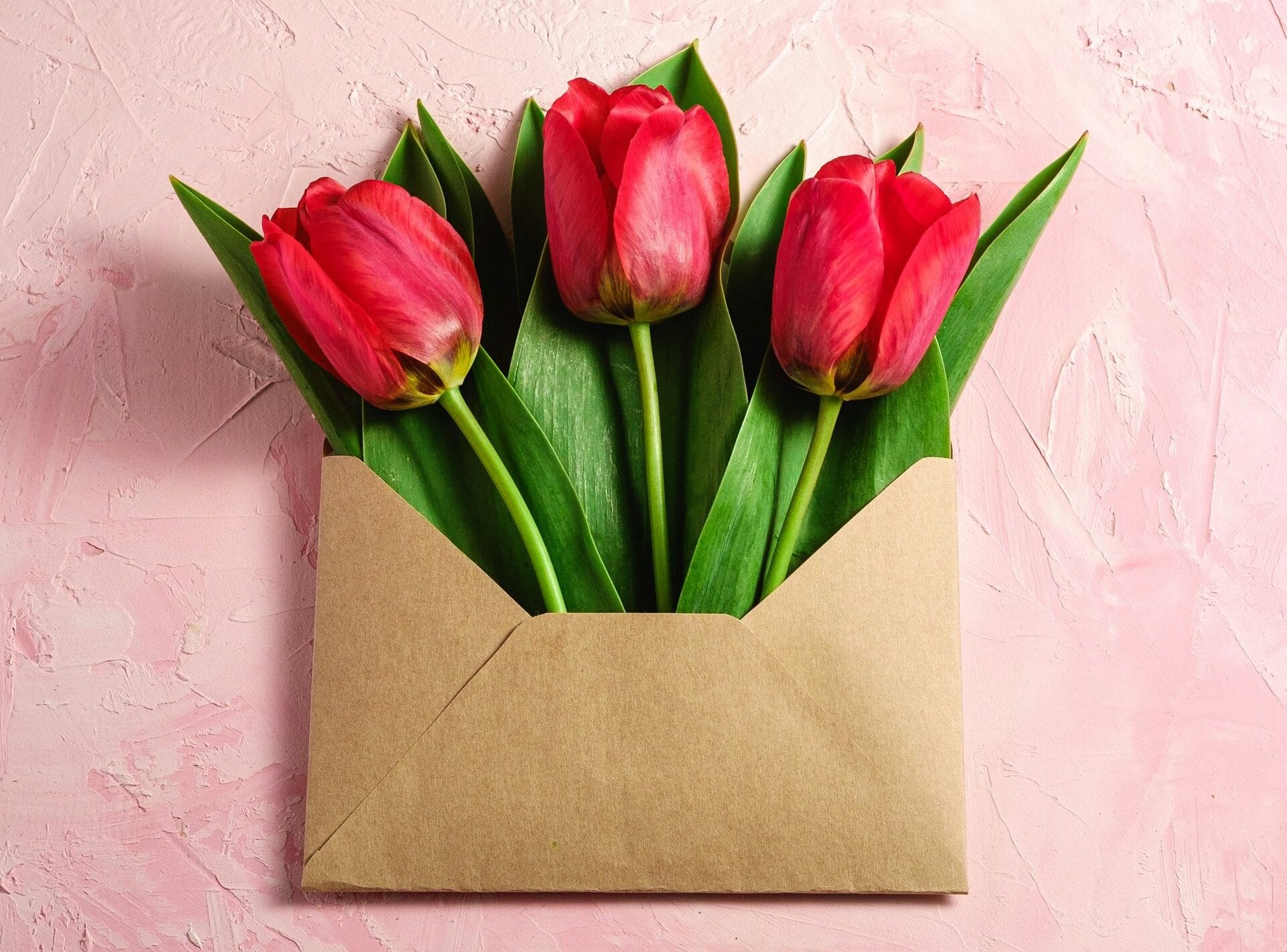
There’s something oddly high-stakes about a Mother’s Day card.
You’d think it wouldn’t be. It’s a small rectangle of paper. Maybe picked up last minute between meetings or added to an online cart while ordering something practical. And yet, when it’s time to actually write inside it,pen hovering,you pause.
What do you say that doesn’t sound generic?
What feels real, but not overly sentimental?
And how do you keep it simple without sounding… careless?
Here’s the thing. Most people overthink it. Especially professionals who spend their days crafting precise emails, reports, or presentations. You’re used to clarity, structure, and polish. But a Mother’s Day message? It lives in a different lane.
It doesn’t need polish. It needs truth.
Why Simple Usually Wins (Even If It Feels Too Easy)
You might assume a meaningful message has to be long. Or poetic. Or deeply reflective.
Not really.
Think about how communication works in your day-to-day work life. The most effective messages,the ones that land,are often the clearest and most direct. No fluff. No filler. Just intent.
It’s the same here.
A short message like:
- “Thank you for always being there, no matter what.”
- “I don’t say it enough, but I appreciate everything you’ve done for me.”
That lands. It sticks. It feels real.
And honestly, your mom isn’t grading your writing style. She’s reading for sincerity. Big difference.
What Actually Makes a Message Feel Meaningful?
Let me explain it in a slightly analytical way,because that’s how a lot of professionals think.
A strong Mother’s Day message usually has at least one of these elements:
- Specificity (a memory, a habit, a trait)
- Gratitude (clear acknowledgment)
- Recognition (seeing her as a person, not just “mom”)
- Tone consistency (sounds like you, not like a greeting card writer)
You don’t need all four. One or two is enough.
For example:
“I still think about those early mornings when you’d wake up before everyone else just to make sure we were set for the day. I didn’t notice it then,but I do now. Thank you.”
That’s specific. And it doesn’t try too hard.
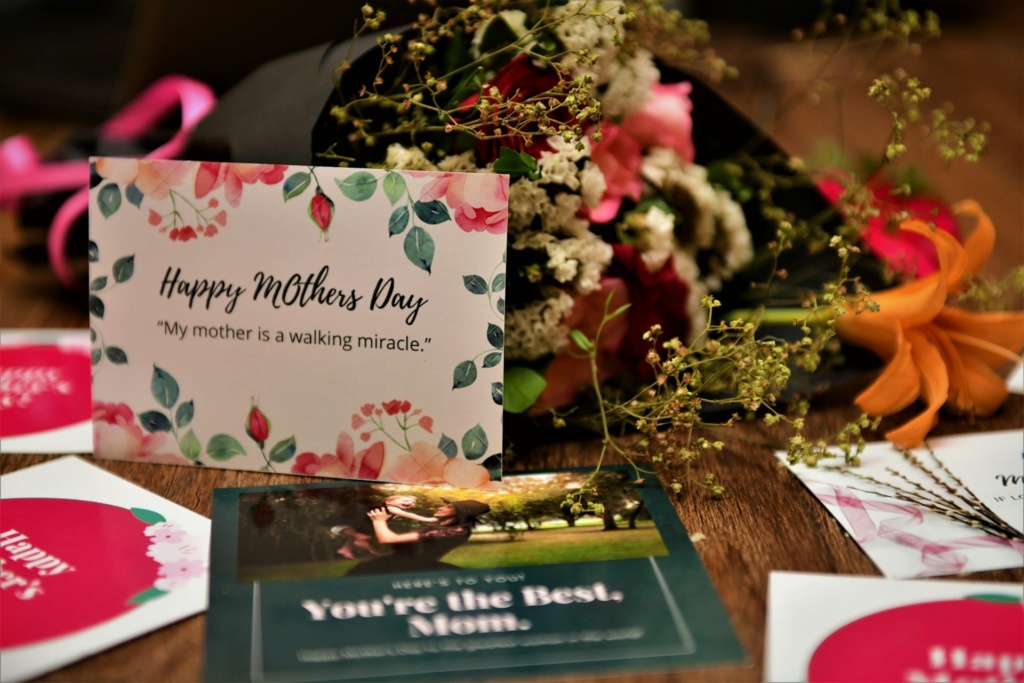
Short Messages That Actually Work
Sometimes, less really is more. Especially if you’re not naturally expressive or you want to keep things understated.
Here are a few options that feel clean and genuine:
- “Happy Mother’s Day. I’m really grateful for you,always have been.”
- “You’ve shaped more of who I am than I probably realize. Thank you.”
- “I hope you know how much you’re appreciated,not just today.”
- “Thanks for being steady, patient, and always in my corner.”
Notice what these do? They avoid clichés without trying to be overly clever.
And yes, you can keep it this short. You don’t need a full paragraph to say something meaningful.
When You Want to Say a Little More
Sometimes a single line doesn’t feel like enough. Maybe you’ve had a busy year. Maybe you haven’t said much lately. Or maybe you just feel like expanding a bit.
That’s fine,just keep it grounded.
Here are a few slightly longer examples:
“Happy Mother’s Day. I’ve been thinking about how much consistency you’ve brought into my life,especially during times when things felt uncertain. It’s something I’ve come to appreciate more as I’ve gotten older.”
Or:
“I know I don’t always say this out loud, but I really respect the way you handled everything growing up,work, home, all of it. It couldn’t have been easy, but you made it feel that way for us.”
You’ll notice these read almost like a conversation. That’s intentional. You’re not writing a speech. You’re just putting a thought into words.
A Bit of Humor? Yes, But Keep It Grounded
Humor can work really well. It adds personality and breaks the pressure of being overly sentimental.
But it has to feel natural,not forced.
Something like:
- “Thanks for putting up with me all these years. Honestly, impressive.”
- “I turned out pretty great,so clearly you did something right.”
- “You deserve a day off. (Or at least fewer phone calls from me.)”
Humor works best when it sits alongside a sincere note. Think of it like a quick aside in a meeting,it lightens things, but doesn’t replace the main message.
So you might write:
“Happy Mother’s Day. Thanks for always being there,and for somehow managing my chaos growing up. Still not sure how you did it, but I’m grateful.”
That balance matters.
Not Every Relationship Is Simple, And That’s Okay
Let’s be honest for a moment. Not everyone has a straightforward relationship with their mom.
And that can make writing a card feel… complicated.
If that’s the case, you don’t need to force emotion that doesn’t feel right. You can keep things respectful, neutral, and still meaningful.
For example:
- “Thinking of you today and wishing you a good Mother’s Day.”
- “I hope you’re doing well and have a peaceful day.”
- “Thank you for the role you’ve played in my life.”
These aren’t overly emotional, but they’re still thoughtful. They acknowledge the day without overextending.
And honestly, that’s enough.
Professional Mindset Meets Personal Writing
If you spend most of your time communicating in a professional setting, you might default to structured, polished language.
You know,complete sentences, formal tone, maybe even a touch of corporate phrasing sneaking in.
Here’s a gentle nudge: loosen that grip.
You don’t need to sound like a performance review or a client email.
Instead of:
“I would like to express my appreciation for your consistent support throughout the years.”
Try:
“I really appreciate how you’ve always supported me,more than I probably say.”
Same idea. Very different feel.
Think of it like switching from a boardroom conversation to a coffee chat. The content might overlap, but the tone shifts.
Common Mistakes (That Are Easy to Fix)
A few things tend to trip people up when writing these messages.
1. Overwriting
Trying too hard to sound profound often backfires. If it feels like you’re writing a speech, pull it back.
2. Being too vague
“Thanks for everything” is fine,but adding one small detail makes it stronger.
3. Copying generic phrases
If it sounds like it came straight from the card’s front cover, it probably won’t land the same way.
4. Avoiding emotion entirely
You don’t need to pour your heart out,but a little warmth goes a long way.
Pairing Words With Small Actions
This might sound like a tangent, but it connects.
A card matters. Words matter. But pairing them with a small, thoughtful action makes the whole thing feel more complete.
Nothing elaborate,just intentional.
- A quick phone call (even five minutes)
- Sending flowers from a service like UrbanStems or a local florist
- Ordering her favorite meal if you’re not nearby
- Sharing an old photo with a short message
It’s a bit like project delivery,you don’t just present the strategy; you follow through with execution.
The message sets the tone. The action reinforces it.
If You’re Stuck, Start Here
If you’re staring at a blank card and nothing’s coming to mind, try this simple structure:
- Start with a greeting
- Add one sentence of gratitude
- Include one specific detail or memory
- Close with a warm line
For example:
“Happy Mother’s Day. I really appreciate everything you’ve done for me over the years,especially the way you always made time, no matter how busy things were. It’s something I think about more now. Hope you have a great day.”
That’s it. No overthinking required.
Frequently Asked Questions
[saswp_tiny_multiple_faq headline-0=”h2″ question-0=”How long should a Mother’s Day card message be?” answer-0=”<p class=”p1″>There’s no perfect length. For most people, <b>3–5 sentences is more than enough</b>. A short, sincere message will always feel more meaningful than a long, overworked one. If it fills half the card and feels natural, you’re good.</p>” image-0=”” headline-1=”h2″ question-1=”Is it okay to keep the message very simple?” answer-1=”<p class=”p1″>Absolutely. In fact, simple often works best. A clear sentence like <i>“I’m really grateful for you”</i> can be more powerful than a long, elaborate note. Sincerity matters more than word count.</p>” image-1=”” headline-2=”h2″ question-2=”What if I’m not good with words?” answer-2=”<p class=”p1″>You don’t need to be poetic. Just focus on one real thing you appreciate. Try this formula:</p> <ul class=”ul1″> <li class=”li1″>One thank you</li> <li class=”li1″>One specific detail</li> <li class=”li1″>One warm closing line</li> </ul> <p class=”p1″>That’s it. No fancy language required.</p>” image-2=”” headline-3=”h2″ question-3=”Should I include a memory?” answer-3=”<p class=”p1″>If you can think of one naturally, yes. A small, specific memory makes your message feel personal and thoughtful. It doesn’t need to be dramatic—something simple like early mornings, school drop-offs, or advice she gave you is enough.</p>” image-3=”” headline-4=”h2″ question-4=”Can I use humor in a Mother’s Day card?” answer-4=”<p class=”p1″>Yes—if it fits your relationship. Light, affectionate humor works well when paired with a sincere line. Just avoid sarcasm or jokes that could feel dismissive. When in doubt, keep it warm.</p>” image-4=”” headline-5=”h2″ question-5=”What if my relationship with my mom is complicated?” answer-5=”<p class=”p1″>You don’t have to force emotion that doesn’t feel authentic. A respectful and neutral message is completely appropriate. A simple acknowledgment of the day is enough. Honest and measured always beats exaggerated sentiment.</p>” image-5=”” headline-6=”h2″ question-6=”Is it okay to send a digital message instead of a physical card?” answer-6=”<p class=”p1″>Yes. A thoughtful text, email, or even a voice message can be meaningful—especially if distance is a factor. That said, a handwritten card often feels more intentional. If possible, pairing a message with a small gesture makes it even stronger.</p>” image-6=”” headline-7=”h2″ question-7=”What should I avoid writing in a Mother’s Day card?” answer-7=”<p class=”p1″>Avoid:</p> <ul class=”ul1″> <li class=”li1″>Overly generic phrases with no personal touch</li> <li class=”li1″>Backhanded jokes</li> <li class=”li1″>Turning it into a long apology</li> <li class=”li1″>Making it about yourself</li> </ul> <p class=”p1″>Keep the focus on appreciation and acknowledgment.</p>” image-7=”” headline-8=”h2″ question-8=”What if I’m writing on behalf of young kids?” answer-8=”<p class=”p1″>Keep it short, sweet, and loving. You can write something simple and sign the child’s name. A small added detail like “He loves the bedtime stories you read” makes it feel personal.</p>” image-8=”” count=”9″ html=”true”]





Related posts

What Are the Best Father’s Day Gifts?
Father’s Day has a funny way of sneaking up on busy people. One minute you’re closing the quarter, juggling meetings, and clearing a sm...
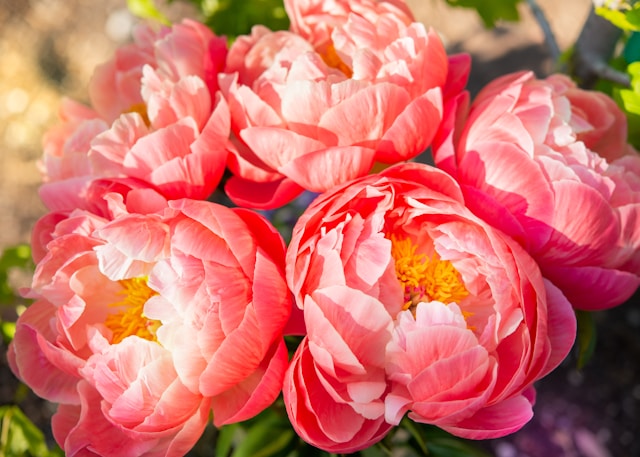
Can You Buy Peonies Outside of Spring?
Brief working skeletonOpen with the direct answer: yes, peonies can be bought outside spring, but they need more planning. Then cover n...
Why are my flowers dying so fast?
You bring home a bouquet, set it in a vase, step back, and think, “Okay. This looks like a magazine.” Then, what, 36 hours later?, the ...
Simple & Beautiful Things to Write in a Mother’s Day Card
There’s something oddly high-stakes about a Mother’s Day card.
You’d think it wouldn’t be. It’s a small rectangle of paper. Maybe pick...
What Color Flowers Should You Give on Mother’s Day?
You’d think picking flowers for Mother’s Day would be simple. Walk into a shop, point at something that looks nice, done. But anyone wh...

The Complete Guide to Holiday Candles
Holiday candles play a big part in seasonal décor, gift-giving, and creating a cozy mood at home. Many people look to buy candles that ...
Vendela Roses: The Classic Choice for Weddings
Introduction
When couples plan their wedding flowers, one name consistently stands out among florists: the Vendela rose. Known for its...
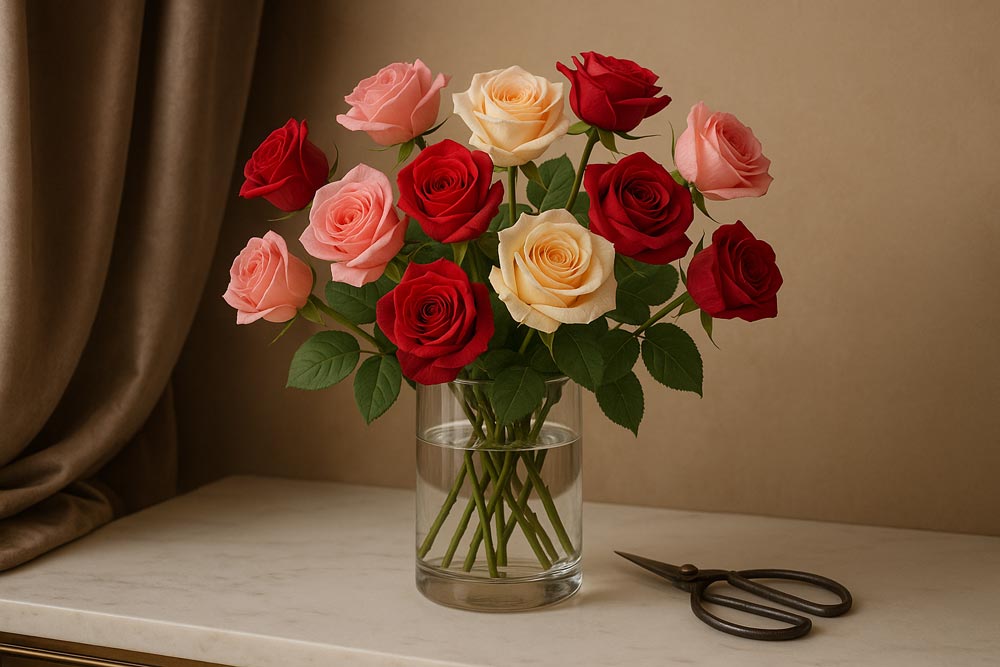
How to Water, Trim, and Preserve Fresh Roses
How to Water, Trim, and Preserve Fresh Roses
Fresh roses are one of the most cherished gifts anyone can receive. Their fragrance, soft...
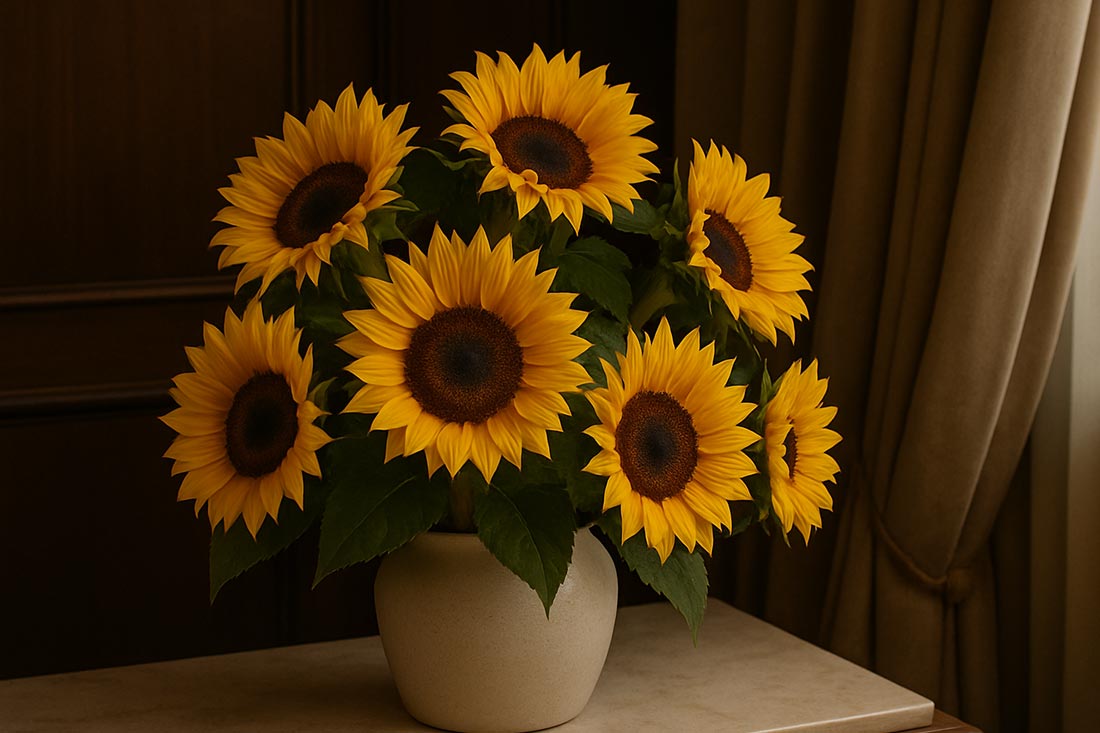
Why Sunflowers Are Trending This Season
Sunflowers have always held a special place in people’s hearts, but this season their popularity has grown even more. From home décor t...
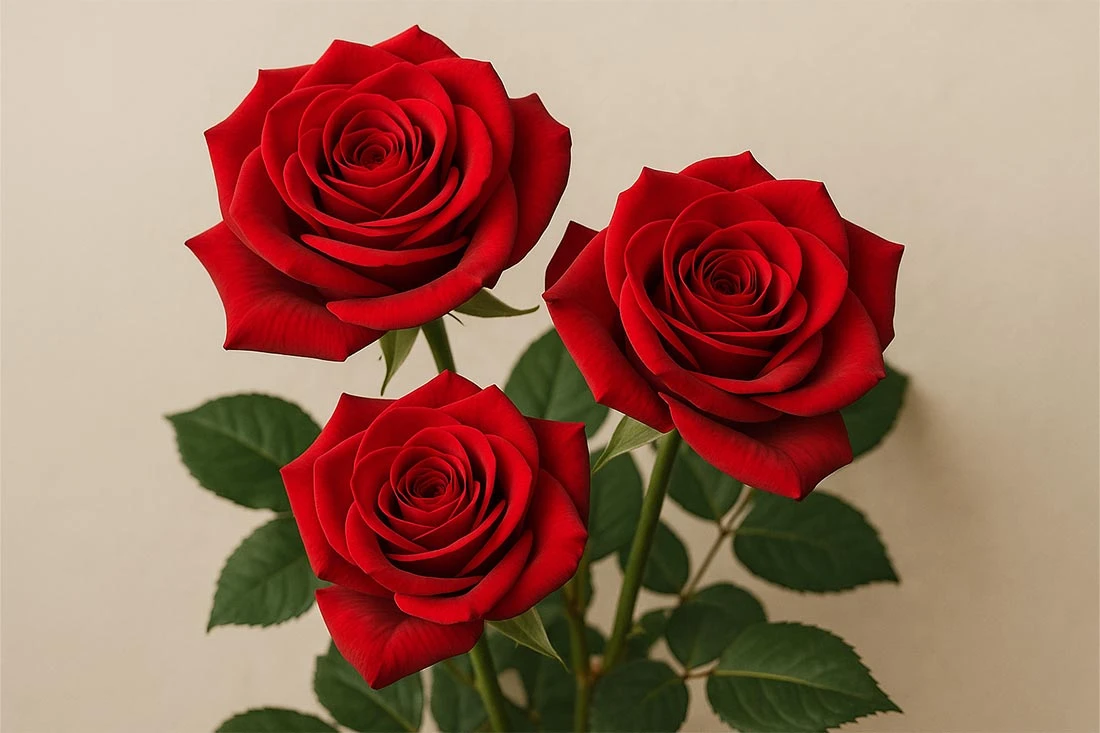
Freedom Roses
Freedom Roses: Meaning, Symbolism, and Popular Uses
IntroductionRed roses have long been the ultimate expression of passion and ro...
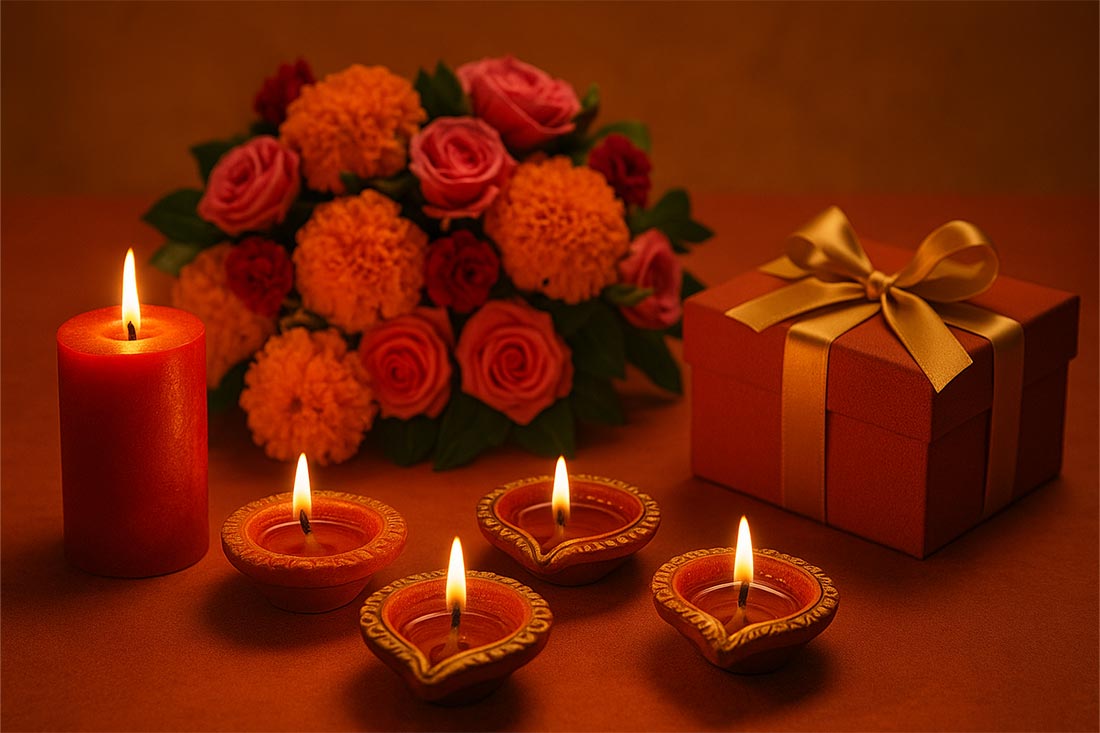
Diwali in Toronto
Diwali in Toronto: Light, Culture, and Gifts
Diwali, also known as the Festival of Lights, is one of the most cherished celebrations o...
Flower Subscription in Toronto
Flower Subscription in Toronto & GTA
A flower subscription is one of the best ways to bring fresh beauty into your daily life or w...













 Roses
Roses Browse All Flowers
 Design Your Bouquet
 By Occasions
 By Flowers
 By Color
 Red
Red Pink
Pink White
White Yellow
 Purple
 Peach
Peach Blue
Blue Orange
 Mixed Colors
 By Arrangement
 Vase
Vase Box
Box Basket